
Country Specific Startup Visa Guides · October 21, 2026
Choosing the UK Over Canada: Secure Fast-Track Approval with AI-Powered UK Innovator Visa Application Assistant
Compare global startup immigration pathways and discover how AI-Powered UK Innovator Visa Application Assistant accelerates British market entry with automated business plan generation.

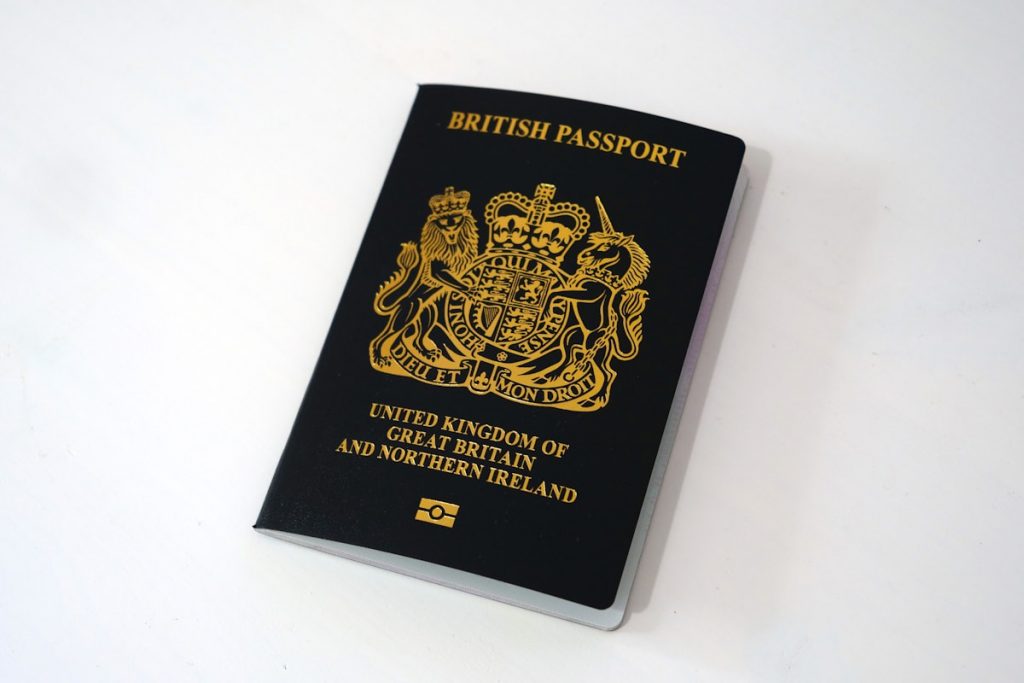
Why Smart Founders Are Pivoting from Canada to Britain
Choosing where to base your international venture can make or break your commercial trajectory. For years, Canada’s Start-up Visa (SUV) served as the default choice for global founders seeking permanent residency. Today, that route is bogged down by multi-year processing backlogs, strict ownership splits, and intense competition for incubator slots. Meanwhile, Britain has overhauled its commercial immigration landscape, making UK Startup Visa Compliance through the Innovator Founder route faster, more dynamic, and far more rewarding for ambitious builders who want direct access to European capital markets.
Navigating this transition demands absolute precision. Endorsing bodies no longer accept generic pitch decks; they demand ironclad evidence of innovation, viability, and scalability before granting approval. If you want to cut through bureaucratic delays and eliminate guesswork, leveraging an AI-Powered UK Innovator Visa Application Assistant gives you the strategic edge needed to validate your venture against strict Home Office rubrics within hours rather than months.
The Reality Check: Canada’s Start-up Visa vs the UK Innovator Route
To understand why international founders are redirecting their efforts, look at the mechanics of both pathways.
Canada requires you to secure support from a designated angel group, venture capital fund, or business incubator. While this sounds straightforward, the operational constraints are severe. Under Canadian rules, up to five founders can apply for a single venture, but each must hold at least 10% of the voting rights, and together with the designated organisation, applicants must control over 50%. The bottleneck? Designated incubators are flooded, Letters of Support take months to negotiate, and processing times at IRCC often drag past 30 to 40 months.
Britain takes a radically different approach. The UK Innovator Founder visa does away with the old £50,000 minimum investment funds requirement, focusing instead on whether your business plan proves genuine innovation, commercial viability, and national scalability. Rather than waiting years in immigration limbo, British endorsing body assessments often conclude in a matter of weeks.
Here is how the two programmes stack up:
- Processing Speed: Canada takes 30+ months for permanent residency processing; the UK route grants entry clearance in weeks once endorsed.
- Capital Freedom: Canada ties your entry to designated entities; the UK allows self-funded, bootstrapped, or independently backed ventures.
- Ownership Control: Canada mandates strict collective voting splits; the UK allows nimble single-founder or co-founder setups without rigid ownership minimums.
- Pathway to Settlement: Canada grants permanent residence directly upon arrival; the UK offers a streamlined 3-year route to Indefinite Leave to Remain (ILR), representing one of the quickest settlement options in the Western world.
If you are an ambitious operator, spending three years waiting for a visa approval is commercially fatal. You lose market timing, early-mover advantage, and technical momentum.
Mastering the British Triangle: Innovation, Viability, and Scalability
Securing your endorsement requires satisfying three non-negotiable criteria enforced by official UK endorsing bodies. Let us strip away the jargon and examine what assessors actually inspect.
1. Innovation
assessors do not care about incremental improvements. Rebranding an existing offshore e-commerce storefront or launching a generic digital agency will trigger an immediate refusal. They demand genuine technological or operational novelty. As many applicants realise too late, mistaking a marketplace app for genuine innovation is the fastest path to a rejected endorsement. Assessors want proprietary systems, unique intellectual property, or inventive approaches that address unsolved market problems.
2. Viability
Does the business work on paper and in practice? Endorsing bodies evaluate your cash flow forecasts, operational budgets, and pricing models. They inspect whether your unit economics make sense under real British market conditions. Showing wild profit margins in month two without realistic customer acquisition costs destroys your credibility instantly.
3. Scalability
Can this company generate skilled employment and scale beyond a local high street footprint? Assessors want evidence of planned hiring, structured expansion, and export potential. If you cannot demonstrate national impact or global reach, your venture fails the statutory definition of scalability.
Preparing documents that address these points simultaneously is why traditional consultancy fails. That is why modern teams utilise the TorlyAI Desktop APP to draft, stress-test, and refine their operational plans against live endorsing body benchmarks.
Common Pitfalls in UK Startup Visa Compliance
Securing endorsement is only the opening hurdle. Maintaining your status demands sustained regulatory discipline throughout the lifecycle of your venture.
One major trap involves falling for the franchise-in-disguise: why replicating a UK model fails when attempting to import an overseas business concept. Endorsing bodies verify that your commercial intellectual property is fresh and controlled directly by your UK entity.
Another friction point emerges when founders rush through early traction metrics. You cannot base your entire case on vague intent. Assessors want tangible signals. Understanding how many customers is enough to prove demand ensures you do not submit your pack prematurely.
Furthermore, British immigration authorities place heavy scrutiny on whether you are actively leading the business day-to-day. You cannot act as an absentee investor or passive director. Maintaining UK Startup Visa Compliance requires scheduled checkpoints with your endorsing body at regular milestones, usually at the 12-month and 24-month marks. If your company diverges from the initial business plan without notifying your assessors, your endorsement can be curtailed, putting your visa at immediate risk.
To preserve your founder standing and keep your evidence spotless, turning to UK Startup Visa Compliance tools provides ongoing oversight, ensuring your operational milestones mirror statutory requirements at every evaluation point.
Bridging the Gap: How AI Simplifies Endorsement Preparation
Traditional immigration lawyers excel at checking passport stamps and police clearance certificates, but they rarely understand SaaS customer acquisition costs, machine learning pipelines, or dynamic pricing architecture. Conversely, general business consultants know pitch decks but have no idea how Home Office case workers score immigration rules.
This gap is where an advanced AI platform transforms the application process.
Rather than spending tens of thousands of pounds on disconnected advice, founders can work with specialised intelligence engines trained on historical endorsement decisions. Torly.ai acts as an intelligent visa readiness analyst, business evaluator, and improvement advisor. It conducts multi-layered audits across three critical areas:
- Business Idea Qualification: Running algorithmic checks to confirm your concept meets the technical threshold for innovation and defensibility.
- Applicant Suitability Assessment: Mapping your CV, prior commercial exits, and technical capabilities directly against your proposed company role.
- Gap Identification and Action Roadmaps: Pointing out structural weaknesses in your financial model, competitor matrix, or go-to-market strategy before an endorsing body sees them.
With an average turnaround time of 48 hours and a historic success rate of 95%, you can Build Your Endorsement Application with 6 AI Agents that systematically construct every layer of your submission.
Step-by-Step Strategic Checklist for British Market Entry
If you are ready to launch in the UK, follow this concrete sequence to secure your endorsement without delays:
- Audit Your Concept: Strip out buzzwords. Articulate your proprietary differentiator in two sentences. If a high-street competitor can replicate your model in a week, refine your technology layer first.
- Assemble Evidence of Traction: Secure letters of intent, completed beta tests, pilot contracts, or comprehensive customer interviews.
- Build Dynamic Financial Projections: Include conservative, realistic, and aggressive cash runways. Ensure your salary structures, operational expenses, and share capital allocations conform to UK standards.
- Draft the Endorsement-Compliant Plan: Your plan must directly reference the statutory criteria of innovation, viability, and scalability. Every claim must have a linked piece of verification.
- Run a Pre-Submission Compliance Audit: Stress-test every paragraph against the specific criteria of your selected endorsing body.
- Submit for Official Review: Present your complete, structured pack to the endorsing panel.
When dealing with high-stakes international relocation, manual guesswork is a liability. By deploying an AI-Powered UK Innovator Visa Application Assistant, you safeguard your venture from administrative rejections, maintain strict statutory compliance, and establish your headquarters in one of the world’s most resilient commercial ecosystems.
