
Country Specific Startup Visa Guides · October 21, 2026
Dutch Startup Visa or UK Expansion? Choose AI-Powered UK Innovator Visa Application Assistant
Evaluate the Dutch startup route against Britain's tech ecosystem using AI-Powered UK Innovator Visa Application Assistant to validate your business viability and endorsement potential.

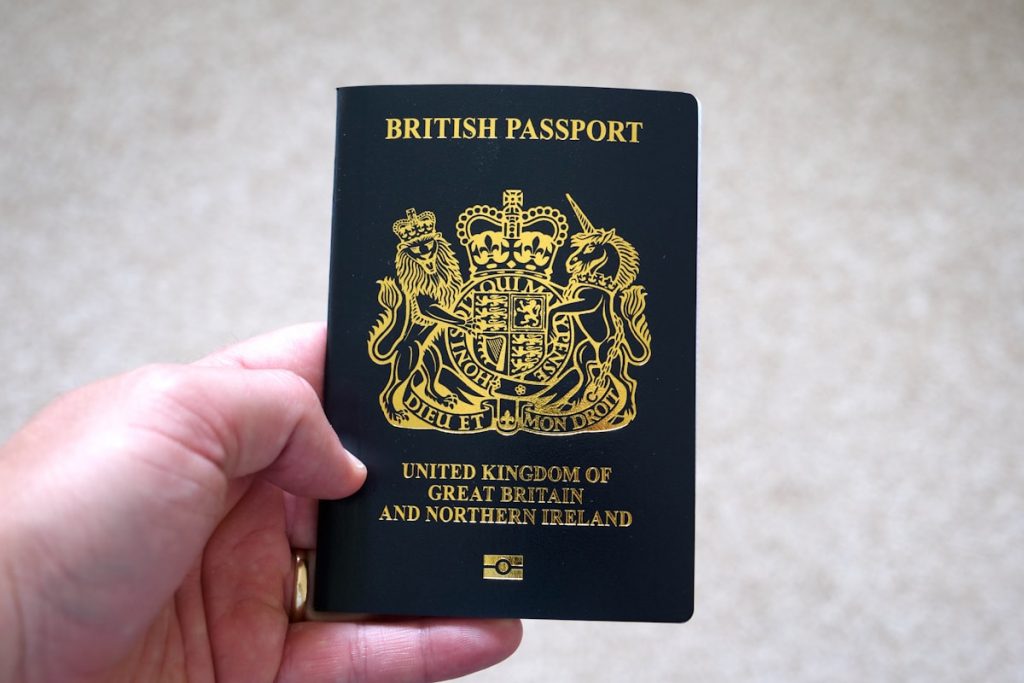
Navigating European Tech Hubs: Amsterdam vs London for Ambitious Founders
Choosing where to base your international venture can make or break your commercial trajectory. The Netherlands tempts many international founders with high quality of life, an English-fluent workforce, and an accessible initial entry step known as the Dutch Startup Visa. But when you look closely at capital access, market depth, and scaling velocity, the United Kingdom remains Europe’s primary launchpad. Navigating British immigration rules requires strict attention to UK Startup Visa Compliance, where your venture must continually demonstrate genuine novelty, market viability, and scalable execution.
While the Dutch system relies heavily on third-party facilitators to chaperone your early months, Britain demands independent operational excellence vetted by government-approved endorsing bodies. Meeting these criteria does not require expensive retainers or guesswork; you can use the AI-Powered UK Innovator Visa Application Assistant to analyse your business model, audit regulatory readiness, and secure a faster pathway to permanent settlement.
Understanding the Dutch Startup Visa: Benefits and Realistic Limits
The Netherlands Startup Visa offers a one-year residence permit for non-EU founders looking to launch within Dutch borders. It sounds straightforward on paper, but the operational model carries distinct quirks.
First, you cannot simply submit a business plan to the Dutch Immigration and Naturalisation Service (IND) and hope for the best. You must sign a binding formal agreement with a government-recognised facilitator. This facilitator acts as an incubator and mentor throughout your first twelve months. If you lack that relationship, your application cannot proceed.
Here is what the Dutch route entails in practice:
* Mandatory Facilitator Agreement: You must find an approved mentor willing to support your concept.
* One-Year Runway: The permit lasts only one year. To stay longer, you must transition to a self-employed residence permit using a rigorous scoring system.
* Financial Requirements: You must prove personal maintenance funds of at least €1,300 per month without taking salaried side employment.
* Chamber of Commerce (KVK) Registration: Your enterprise must be incorporated locally with clear intellectual property ties.
The downside? Twelve months pass fast. If your facilitator partnership encounters friction, or your product pivots away from the initial agreement, your legal stay comes under immediate threat. You trade strategic flexibility for guided mentorship.
Why Britain Outpaces Mainland Europe for Deep-Tech and Capital
While Amsterdam boasts an impressive startup community, London and the UK’s regional hubs offer financial depth that mainland ecosystems struggle to match. Over 6,000 international founders apply for UK entrepreneurial routes annually, chasing the continent’s largest pool of venture capital, seasoned angel syndicates, and corporate partners.
For founders seeking long-term stability, the UK Innovator Founder Visa provides a much stronger foundation than a one-year temporary pass. It grants a three-year visa from day one, opens a direct route to indefinite leave to remain (settlement) after just three years, and allows secondary employment under specific circumstances.
| Strategic Dimension | Dutch Startup Visa | UK Innovator Founder Visa |
|---|---|---|
| Initial Visa Length | 1 Year | 3 Years |
| Time to Permanent Settlement | 5 Years (via subsequent permits) | 3 Years (fast-track settlement) |
| Institutional Supervision | Private facilitator guidance | Authorised Endorsing Body review |
| Venture Capital Ecosystem Size | Mid-tier European hub | #1 Venture ecosystem in Europe |
| Evaluation Standard | Facilitator-led assessment | Rigorous Innovation, Viability, Scalability criteria |
The bar for entry into the UK is intentionally high. The Home Office expects strict UK Startup Visa Compliance, evaluating whether your venture is truly differentiated, or if you are merely building a copycat service. Submitting an unrefined pitch can result in immediate rejection, which is why applying before you’ve validated remains the most frequent misstep made by ambitious international teams.
Decoding UK Startup Visa Compliance: The Core Endorsement Pillars
To succeed on the British route, an authorised endorsing body must assess your commercial proposition against three statutory criteria:
1. Innovation
Your business cannot be an ordinary trading enterprise or a standard service agency. The Home Office specifically checks against commoditised business plans. For example, mistaking a marketplace app for genuine innovation without proprietary underlying infrastructure or novel network mechanics will lead straight to refusal.
2. Viability
Assessors examine your market validation, unit economics, and operational milestones. They demand realistic financial modelling rather than optimistic assumptions. Using scenario planning beats a single forecast for visa financials, demonstrating that you understand burn rates, currency exposure, and margin pressures under varied market conditions.
3. Scalability
You must present clear evidence of structured job creation and domestic growth, alongside realistic international expansion plans. The endorsing body needs to see that your enterprise will create genuine economic value inside the United Kingdom.
Preparing these materials manually can take months of painful drafting. Instead of stumbling through ambiguous regulatory language, smart entrepreneurs rely on specialised systems. You can systematically Build your Business Plan NOW using intelligent tooling calibrated directly to official assessing benchmarks.
Traditional Consultancy vs AI-Driven Endorsement Intelligence
For decades, international founders turned to immigration solicitors and boutique consultancies to assemble their visa files. While experienced legal professionals bring value for complex human rights cases, traditional consultancy models often fall short when evaluating commercial technology architectures, unit economics, and modern product roadmaps.
Standard business plans drafted by generalist legal firms often read like generic templates. Endorsement assessors spot these quickly. Case officers read hundreds of applications each month; they instantly recognise boilerplate language, recycled market projections, and artificial financial structures.
Next-generation platforms change this dynamic entirely. Torly.ai acts as an intelligent visa readiness analyst, business evaluator, and improvement advisor. The platform carries out instant, multi-layered assessments across your commercial thesis:
1. Business Idea Qualification: Scoring your venture against real endorsing body rubrics to confirm genuine novelty and defensive moats.
2. Applicant Suitability Analysis: Evaluating your personal technical and founder capabilities against statutory background requirements.
3. Gap Identification & Strategic Roadmapping: Pinpointing regulatory, financial, and narrative weaknesses before any case officer sees them.
Rather than waiting weeks for manual reviews, founders get actionable feedback loops. Maintain total UK Startup Visa Compliance through continuous algorithmic audits that reflect real-time policy adjustments.
Building an Endorsement-Ready Dossier: Step-by-Step
Transforming a raw startup idea into an endorsement-ready application requires systematic preparation. Do not treat the process as a paperwork exercise; treat it as an intensive due diligence audit.
Step 1: Pre-Submission Readiness and Gap Analysis
Before drafting pitch decks or financial schedules, assess whether your founder profile aligns with your venture’s core technical requirements. Assessors scrutinise whether you possess the direct capacity to execute the project.
Step 2: Algorithmic Business Plan Formulation
Your business plan must speak both to commercial investors and immigration compliance officers. It must detail your IP strategy, customer acquisition cost, retention dynamics, and hiring schedules. To remove friction and ensure structural perfection, leverage the dedicated TorlyAI BP Builder APP to draft comprehensive, EB-compliant documentation across every operational module.
Step 3: Endorsing Body Pitch Preparation
Once your application file is submitted to an approved body, you will face an assessment interview. Case officers will pressure-test your unit economics, your supply chain risks, and your go-to-market assumptions. You must understand your cash flow forecasts inside and out.
The Verdict: Make Britain Your Long-Term Launchpad
The Dutch Startup Visa remains a sensible choice for founders who need early-stage incubator guidance and prefer a smaller European base. But for ambitious founders who want deep capital markets, swift settlement within three years, and complete operational independence, the United Kingdom is unmatched.
Do not let administrative complexity derail your expansion plans. You can eliminate the ambiguity of British immigration policy by running your business thesis through automated compliance checks. Secure your endorsement with confidence using our AI-Powered UK Innovator Visa Application Assistant, and build your company in Europe’s most dynamic commercial ecosystem today.
