
Business Immigration and Remote Work Visas · September 17, 2026
Evaluating British Market Fit: Streamline Endorsement Readiness with AI-Powered UK Innovator Visa Application Assistant
Ensure your venture satisfies strict Home Office innovation and scalability rules with automated assessments from AI-Powered UK Innovator Visa Application Assistant.

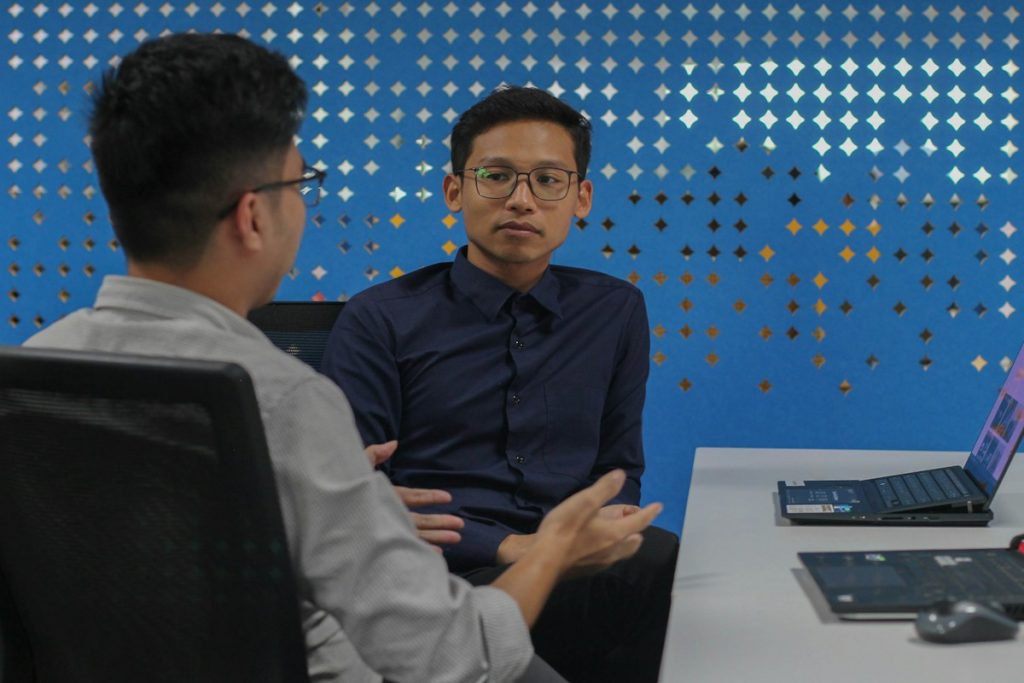
The Brutal Reality of the UK Endorsement Process (And How to Win It)
Securing a UK Innovator Founder Visa is no longer just about filling out forms or showing substantial capital. It is an intense test of real-world business acumen. The Home Office and designated endorsing bodies want proof that your enterprise is genuinely innovative, commercially viable, and scalable across Britain. Most founders hit a brick wall during the initial screening because they fail to prove actual British market fit, or their application buckles under deep operational questioning. Running an Innovator Visa Mock Interview beforehand lets you stress-test your business model, discover critical blind spots, and face endorsing bodies with complete confidence.
The journey demands an ironclad strategy. You need to align your commercial credentials with strict UK standards, much like how skilled migration programmes elsewhere demand rigorous, occupation-aligned skills assessments before granting state sponsorship. If your market analysis is vague or your tech stack feels unconvincing, your application faces immediate rejection. With the right tools and real-time guidance, you can transform a disjointed proposal into a compliant, high-growth venture ready for immediate commercial roll-out.
Understanding the Home Office Triad: Innovation, Viability, Scalability
Before an endorsing body ever offers you an interview slot, your venture must pass three strict criteria. Let us break them down honestly:
- Innovation: You cannot simply launch another digital marketing agency or build a standard e-commerce shop. Your business must introduce genuine intellectual property, a novel process, or a distinct technical advantage that solves an unmet need within the UK market.
- Viability: Do you possess the exact skills, market knowledge, and operational plan needed to execute this idea? You must demonstrate realistic cash flows, commercial partnerships, and clear proof of concept.
- Scalability: Can this enterprise generate skilled British jobs and plan for domestic and international expansion? Endorsing bodies look for aggressive yet achievable growth projections.
To demonstrate these three pillars cleanly, smart founders rely on dedicated digital tools. You can Build your Business Plan NOW using intelligent prompts that ensure your core narrative directly satisfies each regulatory requirement without fluff.
Why Technical Credentials and Background Alignment Matter
Global migration policies share a common thread: your background must support your commercial claims. For example, in regional Australian programmes such as Tasmania’s Subclass 190 and 491 pathways, state nomination hinges entirely on whether your formal qualifications and local work experience strictly align with your nominated occupation assessment. If your degree says one thing and your daily job duties say another, your application falls apart.
The UK Innovator Founder route enforces this identical philosophy with even greater scrutiny. Endorsing bodies do not just evaluate the startup idea; they evaluate you as the founder. If you pitch an artificial intelligence platform for healthcare logistics, yet your work history reflects basic retail management without relevant technical or operational credentials, evaluators will flag your profile as high risk.
You must prove that your previous leadership experience, technical certifications, and sector expertise directly feed into your ability to build this business on British soil.

The Hidden Landmines in Endorsing Body Interviews
Many entrepreneurs put weeks into drafting a sixty-page business plan, only to freeze when asked a simple, probing question during their formal endorsement assessment. Endorsement officers ask targeted, uncomfortable questions to check whether you wrote your business plan yourself or hired an agency to cook up fancy graphs:
- “What are your specific unit economics, and what is your customer acquisition cost in London versus Manchester?”
- “Which specific regulatory hurdles will your platform face under current UK consumer privacy and data laws?”
- “If your primary supplier raises prices by twenty per cent in month eight, what is your contingency reserve?”
If you hesitate or contradict your submission documents, your credibility vanishes. Going through an Innovator Visa Mock Interview gives you the trial runs you need to deliver sharp, data-backed answers under intense pressure.
To eliminate gaps between your written documentation and verbal responses, you should deploy the TorlyAI BP Builder APP, an advanced system that unifies your numbers, operational logic, and market research across every single page.
Validating British Market Fit: Beyond Basic Competitor Tables
A major reason visa applications get rejected is superficial market validation. Founders frequently copy high-level industry statistics from generic market research reports and assume that proves customer demand in the UK. Endorsing bodies see through this instantly.
To prove genuine British market fit, you must demonstrate:
- Direct Customer Engagement: Have you surveyed prospective UK clients, secured letters of intent, or run local pilot tests?
- Competitor Differentiation: What do local market leaders lack? Detail why UK consumers or enterprises will switch to your solution over existing domestic providers.
- Regulatory Compliance: How does your supply chain, employment structure, and operational framework comply with British statutory requirements?
- Realistic Pricing Structures: Have you factored in value added tax (VAT), national insurance contributions, and commercial premises overheads?
If your proposal lacks granular financial validation, you are setting yourself up for failure. By leveraging an automated assistant to draft your submission, you can quickly spot weak assumptions and replace them with robust market evidence before an endorsing panel reviews your file.
How AI Agents Transform Visa Preparation
Preparing an endorsement-ready application manually takes months of stressful iterations. The modern route uses specialist reasoning agents to analyse your application against live visa trends and historic endorsing body expectations.
Rather than treating the process as simple document compilation, modern AI tools act as rigorous, 24/7 readiness analysts. They dissect your founder profile, calculate potential success rates, identify missing market data, and generate step-by-step roadmaps to plug every vulnerability. With specialized platforms offering an average turnaround time of 48 hours and high historic approval rates, you can prepare documentation that aligns with UK Home Office requirements quickly and cleanly.
Key Takeaways for Aspiring Innovator Founders
The path to commercial success in Britain is challenging, but clear preparation eliminates the guesswork. Remember these core principles as you prepare:
- Treat the endorsement process as a live investor pitch, not an immigration paperwork exercise.
- Match your personal career record and skills directly to the operational demands of your startup.
- Base your financial projections on verified UK operational costs, statutory requirements, and local pricing realities.
- Practise your verbal defence thoroughly so your live pitch matches your written business plan word for word.
Do not leave your British commercial ambitions to chance. Refine your pitch, tackle difficult questions beforehand, and master your narrative by undertaking a complete Innovator Visa Mock Interview today.
