
Privacy Laws and Regulations · May 7, 2026
HIPAA and Beyond: Key Data Privacy Regulations Every International Visa Applicant Should Know
Get up to speed with HIPAA and other global privacy laws and learn how Torly.ai ensures your international visa application remains fully compliant.

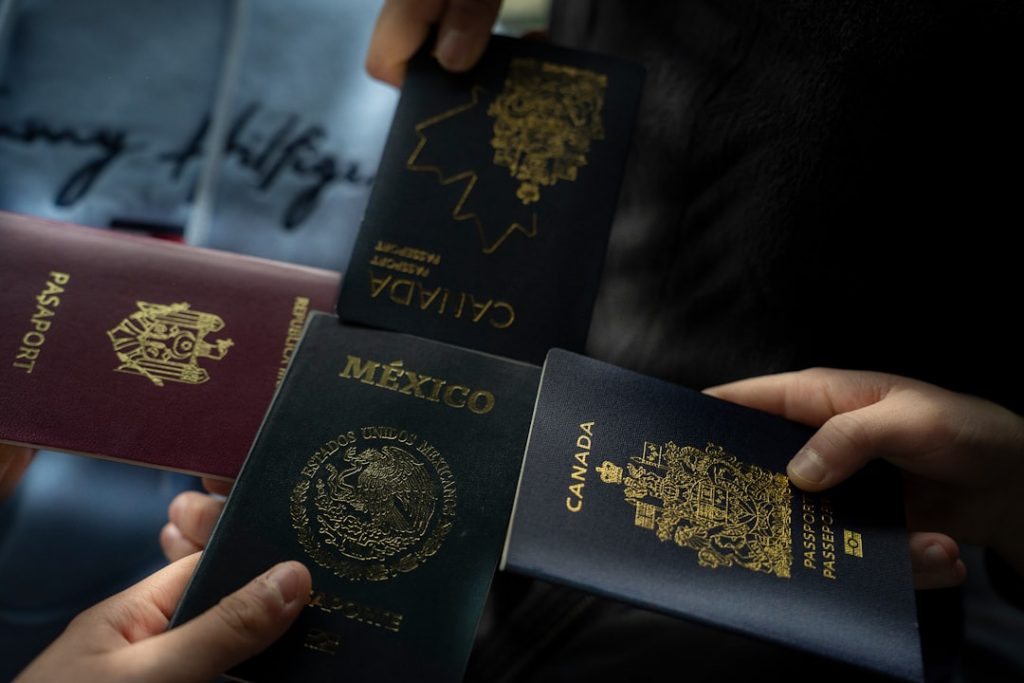
Navigating visa data compliance: HIPAA and more
International visa applications often demand more than a valid passport and bank statements. They require meticulous attention to how you handle personal and medical data. From the US’s HIPAA rules to Europe’s GDPR, understanding visa data compliance can make or break your application. If you miss a key requirement your visa journey could stall; worse, you risk legal penalties or privacy breaches.
In this guide we cover the main global privacy regulations every applicant should know. You will learn how HIPAA fits into the broader landscape of visa data compliance. You will also see how Torly.ai’s AI-Powered UK Innovator Visa Application Assistant can support your journey by guiding you through complex requirements and ensuring you meet every rule. Ensure visa data compliance with our AI-Powered UK Innovator Visa Application Assistant
Understanding HIPAA: The US Healthcare Privacy Standard
HIPAA, the Health Insurance Portability and Accountability Act, is the cornerstone of medical privacy in the United States. While it mainly applies to US healthcare providers, international applicants submitting US medical records must comply with its privacy rule.
- Covered Entities and Business Associates: Who falls under HIPAA.
- Protected Health Information (PHI): What qualifies and how to safeguard it.
- Privacy Rule vs Security Rule: Administrative, physical and technical safeguards.
HIPAA’s focus on safeguarding PHI sets a high bar for visa data compliance. If you send lab results or vaccination records from non-US labs to a US embassy, you must ensure those documents meet HIPAA standards, or face delays and potential refusal.
Implications for International Applicants
When you apply for a US visa you often submit health clearances. Here’s what you need to know:
- Data encryption for digital submissions.
- Secure courier or embassy-approved channels for paper records.
- Privacy notices and consent forms when third parties handle your data.
Failing to align with HIPAA can lead to rejected applications. It also hurts your global reputation as a traveller who takes privacy seriously.
Beyond HIPAA: Major Global Privacy Frameworks
Though HIPAA is vital for US visa procedures, many countries enforce their own rules. Let’s explore the top regulations affecting visa data compliance.
GDPR: Europe’s Banner of Data Protection
The General Data Protection Regulation (GDPR) covers all entities processing personal data of EU residents. For visa applicants this means:
- Lawful basis for processing: Consent, contract or legitimate interest.
- Rights of data subjects: Access, correction and erasure.
- Data Protection Impact Assessments (DPIAs) for high-risk processing.
If you submit EU residency proof or biometric data, GDPR compliance is mandatory. Remember that GDPR extends worldwide for any organisation offering services to the EU.
PIPEDA: Canada’s Personal Information Act
Canada’s privacy law, the Personal Information Protection and Electronic Documents Act, applies to commercial organisations. For visa seekers:
- Obtain clear consent for collecting personal data.
- Ensure data is retained only as long as needed.
- Provide opt-out options when data is used for marketing by third parties.
PIPEDA stresses transparency and accountability. You must be ready to demonstrate how you protect visitor health or financial data submitted in support of your visa.
APPI: Japan’s Privacy Shield
Japan’s Act on the Protection of Personal Information leans on both consent and data minimisation principles. Key points:
- Personal data requesters must disclose usage and retention periods.
- Cross-border data transfers require adequate safeguards.
- Individual rights include correction and suspension of use.
Japanese consulates may ask for proof of compliance when you send medical or employment records. That makes visa data compliance with APPI essential.
Other Notable Frameworks
- Australia’s Privacy Act: Emphasis on Australian Privacy Principles.
- Brazil’s LGPD: Mirroring many GDPR standards.
- South Korea’s PIPA: Strict consent requirements.
Each regime has its own quirks. The key is to map your data flows and verify compliance before you hit “submit”.
Why visa data compliance matters right now
In today’s climate privacy breaches and regulatory fines are front-page news. Embassies and immigration bodies are under pressure to tighten controls. Here’s why you should care:
- Avoid Application Delays: Non-compliance often means requests for more information.
- Prevent Legal Risks: Violating foreign privacy laws can trigger fines.
- Protect Your Reputation: Data leaks can harm your professional standing.
Visa officers see dozens of incomplete or non-compliant submissions every day. Stand out by demonstrating your grasp of visa data compliance.
How Torly.ai ensures seamless data privacy compliance
Applying for a visa is not just about forms and fees; it’s a data compliance challenge. Torly.ai’s AI-Powered UK Innovator Visa Application Assistant tackles this head on.
- Business Idea Qualification: Labels your proposed venture’s data needs and checks regulatory fit.
- Applicant Background Assessment: Analyses your personal data handling history and flags risks.
- Gap Identification and Action Roadmap: Offers tailored steps to fix any compliance gaps.
With continuous real-time feedback you never miss a critical requirement. Torly.ai also generates privacy impact statements and consent templates that align with HIPAA, GDPR, PIPEDA and more. Need offline help? Download BP Build Desktop APP to work on your plan anywhere.
Best practices for international visa applicants
Ahead of your next visa submission here are actionable tips for top-notch data compliance:
- Encrypt everything: At rest, in transit and with secure cloud services.
- Label data clearly: Note the jurisdiction and applicable privacy law.
- Retain proof: Keep logs of consents, transmissions and storage audits.
- Use standard templates: Don’t invent your own consent forms.
- Review globally: Cross-check your documents against HIPAA, GDPR, PIPEDA and local rules.
By weaving these practices into your workflow you’ll save time and stress.
In the middle of your planning process remember to reaffirm your commitment to visa data compliance. Ensure visa data compliance with our AI-Powered UK Innovator Visa Application Assistant helps you do just that.
Common pitfalls and how to avoid them
Even savvy applicants can slip up. Watch out for:
- Over-retaining data after visa approval.
- Sending unencrypted PDF attachments to consulates.
- Assuming one country’s rules cover all submissions.
- Neglecting to update privacy notices when rules change.
Torly.ai scans your draft documents and flags these issues instantly. It’s like having a digital solicitor on standby.
Staying ahead of evolving privacy laws
Privacy regulations evolve constantly. New amendments, court rulings and guidance notes can alter your obligations overnight. To keep pace:
- Subscribe to official regulatory updates.
- Re-run your data compliance audit every quarter.
- Align your retention schedules with the latest amendments.
- Leverage AI agents for continuous monitoring.
Interested in a tailored compliance dashboard? Your AI-powered assistant for UK Innovator Founder Visa business plan preparation empowers you with up-to-date insights.
Conclusion: Secure your visa, protect your data
Visa data compliance is no longer optional. It’s the bedrock of a successful application and your personal privacy. From HIPAA in the US to GDPR in Europe and beyond, each regulation matters.
Arm yourself with the right tools and knowledge. Let Torly.ai’s AI-Powered UK Innovator Visa Application Assistant guide you step by step. Take control of your data privacy and navigate the application process with confidence. Ensure visa data compliance with our AI-Powered UK Innovator Visa Application Assistant
