
F1 Visa Interview Preparation · September 16, 2026
Master Your Endorsement Pitch with AI-Powered UK Innovator Visa Application Assistant Mock Interview Tools
Prepare rigorously for endorsing body panels using AI-Powered UK Innovator Visa Application Assistant to practice realistic mock interviews and refine your business pitch.

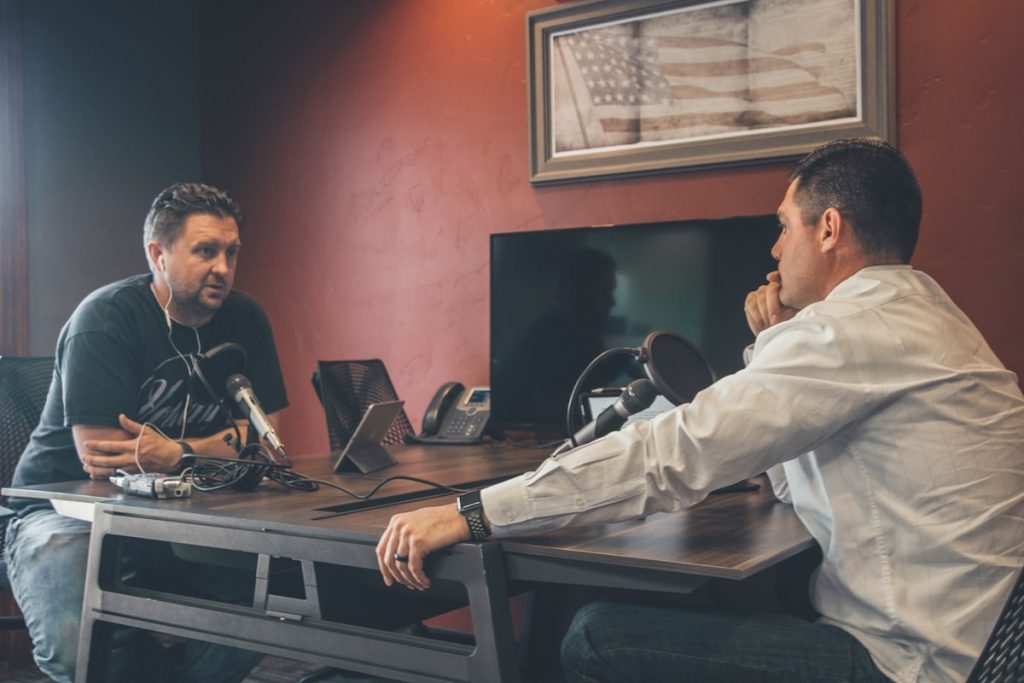
The Real Pitch: Why Endorsement Panels Break Founders
Getting your commercial venture into the United Kingdom is a massive career leap, but stepping into an endorsing body panel meeting can be brutal. Many founders spend months fine-tuning their numbers, yet freeze the moment an assessor asks about their defensibility or go-to-market plan. If you treat this like a casual business discussion, you will fail. The endorsing bodies are not angel investors looking for hype; they are strict evaluators measuring whether your enterprise is genuinely innovative, viable, and scalable according to Home Office rules. Running a realistic Innovator Visa Mock Interview gives you the high-pressure practice you need to defend your business model before an official panel tears it apart.
Think back to the basics of any high-stakes immigration check, such as an F-1 student visa appointment. In those settings, officials assess credibility, clear intentions, and verifiable financial resources within minutes. The Innovator Founder route demands that same instant clarity, but on a much deeper technical and commercial scale. Assessors will challenge your cash flow, your intellectual property, and whether you are genuinely leading the business. By using an interactive practice environment, you can spot critical flaws in your story, sharpen your responses, and present your startup with complete confidence.
What Endorsing Bodies Actually Look For
Endorsement panels do not care about buzzwords. They want cold facts, market validation, and deep operational understanding. When you sit down for your assessment, the panel has already scanned your written materials. The verbal pitch is purely a test of founder credibility.
Assessors consistently scrutinise three foundational pillars:
- Innovation: Is your product or service truly new to the market, or are you just replicating an existing service with a new logo? You must show clear technological differentiation or a genuinely novel process.
- Viability: Does your pricing make sense? What are your margins? Can you fund operations until you hit break-even? If your customer acquisition cost exceeds your lifetime value, they will spot it instantly.
- Scalability: Can your venture create high-skilled jobs in Britain? Is there a documented plan to expand into national and international markets?
To convince them, you must know your metrics inside out. A weak founder relies on generic generalisations, while an endorsement-ready founder quotes exact customer research, regulatory hurdles, and unit economics without checking their notes.
The Core Difference: Student Visa Chats vs. Founder Pitch Defences
Many applicants mistakenly assume visa interviews follow a standard, administrative format. It helps to look at how basic visa screenings work and contrast them with commercial endorsement assessments.
When someone prepares for an F-1 student interview, the questions are simple and direct:
- Why this university?
- How will you pay for your tuition?
- Do you plan to return home after graduation?
The consular officer is verifying ties, funds, and sincerity. The dialogue is brief, typically lasting under five minutes. If you have clean paperwork and clear answers, you pass.
An Innovator Founder assessment is entirely different. It is an intensive commercial grilling that can last forty-five minutes or longer. The panel will not ask about your intentions to go home; they will ask whether your software architecture can handle 50,000 concurrent users or how your pricing strategy handles VAT and enterprise sales cycles.
If your documentation lacks cohesion, your verbal defense falls flat. This is why founders work on their core proposal first by using the TorlyAI BP Builder APP to map every market risk, operational workflow, and financial forecast before speaking to an assessor.
The Most Brutal Pitch Questions You Must Rehearse
Panel members are experts at exposing gaps in your narrative. To prepare, you must run through realistic simulations targeting the exact questions they ask.
“Why Can’t an Existing UK Competitor Build This Tomorrow?”
This is the ultimate test of your innovation. If you say, “We work harder,” you will likely be rejected. You need to explain your proprietary algorithms, unique supplier networks, intellectual property filings, or exclusive partnerships.
“Walk Me Through Your Cash Runway Under Stress”
What happens if your enterprise clients take 120 days to pay instead of 30? If you do not have a working capital strategy, your viability score drops. Rehearse your defensive financial strategies until you can explain your burn rate effortlessly.
“Why Must This Business Be Based in the United Kingdom?”
Panels want to see genuine benefits to the British economy. You should discuss specific regional innovation clusters, access to specialized UK talent pools, or regulatory sandboxes that make Britain the ideal launchpad for your product.
Mastering these tough answers takes repetitive rehearsal. Practicing these scenarios inside an AI-driven environment helps you refine your delivery until your answers are clear, punchy, and fully compliant with endorsement guidelines.
The Advantage of AI Evaluation Over Static Checklists
For years, founders relied on PDF guides or expensive consultants who took weeks to review a draft. That manual approach is too slow for modern immigration pathways.
Next-generation AI agents act as continuous readiness analysts. Instead of just checking if your CV has the right bullet points, intelligent platforms assess how your background aligns with your commercial goals. They analyse whether your technical skills match your product’s architecture and point out missing operational details.
Before you present your concept out loud, you need rock-solid foundation files. Take the time to Build your Business Plan NOW so your narrative flows logically from executive summary to balance sheet, leaving zero ambiguities for assessors to exploit.
When you practice with responsive AI tools, you experience realistic back-and-forth questioning. The system catches your hesitations, identifies vague answers, and forces you to back up claims with solid market proof. It is the fastest way to turn a shaky concept into an endorsement-grade proposal.
Building Verbal Muscle Memory for Panel Day
Reading your business plan ten times will not prepare you to defend it out loud. Public speaking under pressure triggers physical stress, making you ramble, forget key metrics, or contradict your written submission.
Follow this preparation sequence to build confidence:
- Isolate your key metrics: Memorise your Year 1 projected revenue, Year 3 headcount targets, gross margins, and customer acquisition costs.
- Run timed simulations: Set a hard timer for two minutes per answer. Clear, concise explanations always beat lengthy wanderings.
- Audit for contradictions: Ensure what you say matches the exact figures in your financial forecast. Panels cross-reference your spoken answers with your binder in real time.
- Practice handling unexpected pushback: Train yourself to pause, acknowledge legitimate market challenges, and explain your contingency plan without getting defensive.
Simulating a high-stakes meeting through an AI-Powered UK Innovator Visa Application Assistant allows you to identify your weak spots privately, refining your tone and clarity until your pitch sounds effortless.
Essential Practical Steps Before Your Interview
As your interview date approaches, your preparation should shift from broad business strategy to execution and delivery. Treat the meeting with the same professionalism you would bring to a major venture capital pitch or high-court deposition.
1. Master Your Verbal Executive Summary
You must be able to explain your company in ninety seconds. State the problem, your unique solution, your current traction, and your UK expansion targets. Do not use industry jargon; make it accessible to any panellist.
2. Prepare Your Working Environment
Most initial panel assessments take place over video conference. Ensure you have high-speed internet, crisp microphone audio, and clean, professional lighting. Technical glitches disrupt your pitch rhythm and project an amateur image.
3. Organise Your Evidence Binder
Even if the interview is digital, have a physical or neatly tabbed digital binder with your primary proofs:
* Letters of intent from prospective UK clients.
* Patent filings or intellectual property searches.
* Market validation surveys and trial data.
* Shareholder agreements and bank statements verifying share capital.
When a panellist queries your market demand, you can immediately cite specific documents, proving you have done the legwork.
Eliminate the Guesswork and Secure Your Endorsement
Securing an endorsement for the UK Innovator Founder Visa is a rigorous process, but it is completely manageable if you prepare systematically. Endorsing bodies are not looking for perfection; they are looking for competent, resilient founders who understand their market and can navigate risk.
By identifying your vulnerabilities early, mastering your core data, and running exhaustive simulations, you transform panel anxiety into quiet authority. Do not leave your commercial dreams to chance or walk into an assessment hoping for the best. Test your readiness, refine your answers, and run your Innovator Visa Mock Interview today so you can present your business like a seasoned founder and walk away with your endorsement approved.
