
Airline and Cruise Requirements · November 6, 2026
Mastering Travel Border Rules: Prepare Compliant UK Immigration Evidence with Torly.ai
Avoid pre-boarding complications by learning key airline travel border rules and using Torly.ai to organise flawless, compliant documentation for your UK entry.

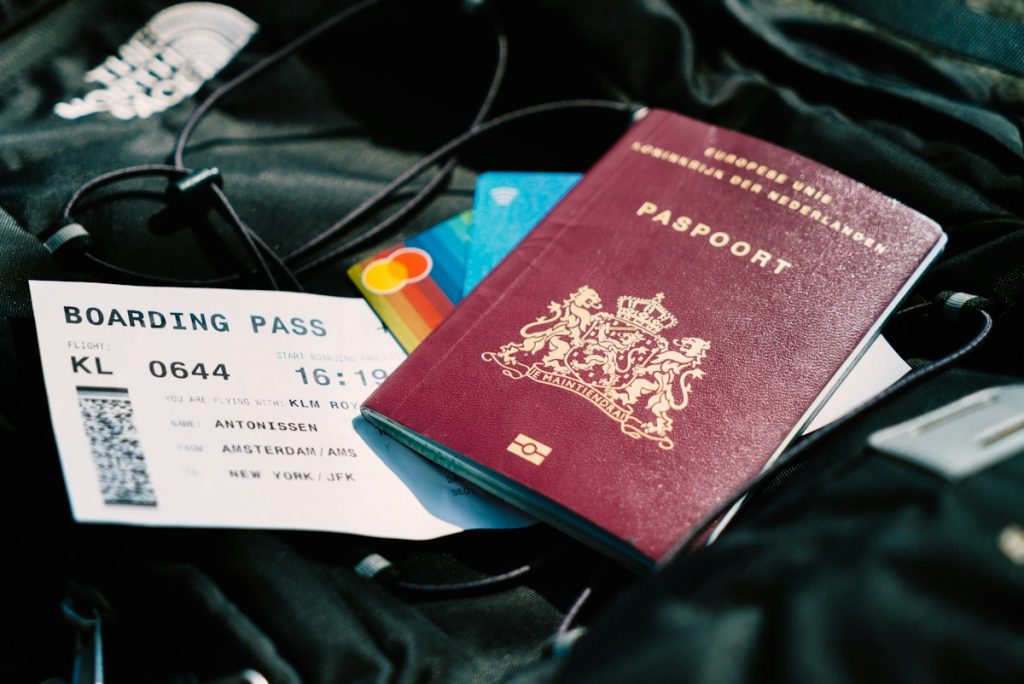
The Airport Gatekeeper: Why Airlines Scrutinise Your Travel Documents
Picture this: you have packed your bags, arrived at the terminal three hours early, grabbed an overpriced coffee, and finally stepped up to the departure desk. Then, the ground agent frowns at your passport, taps furiously on their keyboard, and calls a supervisor. Your stomach drops. Most travellers assume border control starts when you land on foreign soil, but that is a costly misconception. The real immigration checkpoint happens right at the boarding gate. Airlines shoulder severe legal and financial penalties, including massive fines and mandatory repatriation expenses, if they carry an inadmissible passenger. Because carriers cannot afford those risks, they act as frontline border guards who enforce strict document compliance before you ever set foot on an aircraft.
Understanding international mobility requirements means getting ahead of administrative roadblocks before check-in. If you want a trouble-free departure, you must understand airline enforcement systems, visa verification methods, and entry regulations. Understanding travel border rules what airlines check before boarding gives international travellers and startup founders the clarity needed to present watertight documentation. Whether you are flying on a visitor itinerary or boarding a flight to establish an enterprise in Britain, taking compliance into your own hands keeps you out of secondary inspection rooms and on track for a smooth journey.
What Airlines Actually Check Before Issuing Your Boarding Pass
Airline check-in desks do not simply glance at your photo to confirm your identity. They run your information through automated global verification engines, primarily databases like IATA Timatic. These systems check real-time bilateral immigration agreements, transit rules, and temporary entry orders based on your nationality and destination.
Here is what ground agents actively inspect during the pre-boarding routine:
- Passport Validity Rules: Many jurisdictions mandate that your passport remains valid for at least three to six months beyond your planned departure date. Furthermore, airlines inspect the physical condition of the booklet. A torn page, water damage, or an absence of blank visa pages can prompt an instant boarding refusal.
- Visas and Entry Clearances: For nations like the United Kingdom, carriers confirm that you possess an active physical vignette, a verified digital immigration status, or an appropriate Electronic Travel Authorisation (ETA).
- Return or Onward Travel: Entering on a short-term status requires proof that you intend to leave. Without an onward ticket, airlines fear you will be rejected at immigration control, leaving them on the hook for your immediate return flight.
- Transit Visa Compliance: Connecting through third-party hubs often requires transit visas, even if you never leave the airside transfer lounge. Agents check every leg of your itinerary against these transit restrictions.
- Biographic Consistency: A simple clerical mismatch between your ticket surname and your official travel document triggers automated red flags that ground staff must investigate manually.
When you travel under standard tourist conditions, meeting these baselines is straightforward. However, when you travel under specialised immigration routes, such as moving to Britain to build a scalable company, airline scrutiny becomes far more nuanced.
The Shift from Traditional Visas to Digital Immigration and Innovation Routes
The UK Home Office has rapidly transitioned towards full digital immigration status, replacing physical stickers with online share codes and digital proofs. While this shift reduces physical paperwork, it introduces a whole new set of technical hurdles at departure gates. If an airline agent cannot immediately reconcile your digital status through their automated portal, you must provide secondary evidence proving your right to travel.
This administrative friction often catches global founders off guard. Building an innovative enterprise requires establishing legitimate legal footing, starting with an endorsement-ready proposition. Ensuring total alignment between your planned commercial activities and statutory travel documentation prevents airport misunderstandings. Exploring complete UK Innovator Founder Visa readiness gives entrepreneurs the foundation needed to satisfy Home Office standards, long before booking flights to the UK.
For early-stage founders, standard business travel services fall short. Platforms like SimpleVisa or VisaHQ focus on basic tourist visas and standard paperwork. They help holidaymakers get an e-visa, but they do not understand the rigorous evidential demands of UK endorsing bodies or commercial border verification. If you show up at check-in with vague explanations regarding your intended venture, you risk being treated as an inadmissible passenger. You can Build your Business Plan NOW using intelligent desktop tools designed specifically to substantiate your commercial rationale and ensure that your paperwork reflects legitimate, endorsement-backed plans.
Common Pitfalls That Lead to Boarding Denials
Boarding denials rarely stem from malicious intent; they happen because of small oversights. Being turned away at the boarding gate is stressful, expensive, and completely avoidable.
A common trap for entrepreneurs is travelling on a standard visitor route to carry out activities that border officials consider work. Under UK immigration rules, you can attend conferences, negotiate contracts, and pitch for funding as a visitor. However, you cannot directly provide services, produce goods, or receive local UK remuneration. If an airline employee asks about the purpose of your trip and your answers suggest substantive operational employment, they may deny boarding to prevent an immigration turnaround at the border. Understanding these nuances is vital; reviewing UK Innovator Visa requirements explained helps clarify the boundary between visiting and launching an innovative business.
Torly.ai: Advanced Evaluation for Serious UK Founders
While services like SimpleVisa handle broad, consumer-level visa applications, Torly.ai takes a completely different, evaluation-driven approach. Torly.ai is not an ordinary document filing service. It is an advanced AI agent platform designed specifically for entrepreneurs targeting the UK Innovator Founder Visa.
Instead of treating visa readiness as a simple checklist, Torly.ai evaluates your commercial and immigration background against the real-world standards enforced by the UK Home Office and independent Endorsing Bodies (EBs). Navigating cross-border mobility means aligning your international credentials with your enterprise goals. Our system conducts multi-layered assessments across three vital areas:
- Business Idea Qualification: The platform evaluates whether your venture satisfies statutory innovation, viability, and scalability requirements, benchmarked against real endorsement outcomes.
- Applicant Background Assessment: It analyses your technical and commercial expertise to determine whether your founder profile meets EB expectations.
- Gap Identification and Action Roadmaps: It highlights structural weaknesses in your business model, intellectual property strategy, or financial projections, giving you clear, actionable steps to fix them.
By combining deep business analysis with strict immigration compliance, Torly.ai operates with an impressive 95% historic success rate, providing strategic feedback within an average 48-hour processing window. With our TorlyAI BP Builder APP, you get step-by-step guidance to turn your raw ideas into a coherent, endorsement-ready submission.
If you are serious about relocating your business to Britain, you must master both your travel logistics and your commercial presentation. When you prepare for airline checks, having a rigorously developed business plan backed by qualified endorsement credentials makes all the difference. Discover how mastering travel border rules what airlines check before boarding protects your itinerary, while automated visa tools streamline your journey from concept to landing.
Pre-Flight Checklist: Managing Airline Border Checks Like a Pro
To ensure your journey runs smoothly, follow this practical checklist well before you arrive at the airport:
- Review Passport Expiry Dates: Ensure your passport has at least six months of validity left, along with two entirely unmarked, facing pages for entry stamps.
- Validate Digital Clearances: If you use a digital visa or ETA, generate your share codes within 24 hours of travel and take clear screenshots for offline access.
- Prepare Physical Evidence: Keep printed copies of endorsement letters, flight confirmations, initial accommodation details, and contact numbers for your legal advisers.
- Check Every Transit Stop: Double-check whether your layover involves a terminal change or domestic transfer that requires a separate transit visa.
- Align Your Travel Story: Ensure that your stated travel purpose matches your ticket type and visa class. Never claim you are entering for tourism if you hold an active founder clearance vignette.
Preparing these details protects you from costly delays and keeps gate agents satisfied during their automated database checks.
Defending Your Business Model from Day One
Landing at a UK port of entry is only the first step; you must also be ready to explain your business clearly under scrutiny. Border officers and endorsing panels both look for credibility, consistency, and legal compliance. If your answers sound unsure or your documentation looks incomplete, your journey can derail quickly.
That is why rigorous preparation matters. Entrepreneurs should invest the time to practise defending their venture model under realistic conditions. Using dedicated systems for simulating your endorsement defence trains you to answer challenging questions about market viability, commercial execution, and compliance. Walking into both the airline terminal and the immigration arrivals hall with clear, vetted answers ensures your entrepreneurial ambitions stay on track.
When you treat pre-departure airline checks with the same discipline you bring to your commercial strategy, you eliminate travel surprises entirely. Stay proactive, verify your paperwork early, and build your application on verified data.
Take command of your immigration journey today. Learn the ins and outs of travel border rules what airlines check before boarding, download your planning tools, and build a fully compliant, endorsement-ready case with Torly.ai.
