
UK Global Talent Visa Guides · October 23, 2026
Navigating Tech Endorsements: AI-Powered UK Innovator Visa Application Assistant vs Manual Routes
Maximise your likelihood of endorsement approval by utilising AI-Powered UK Innovator Visa Application Assistant to validate your tech startup evidence and draft winning proposals.

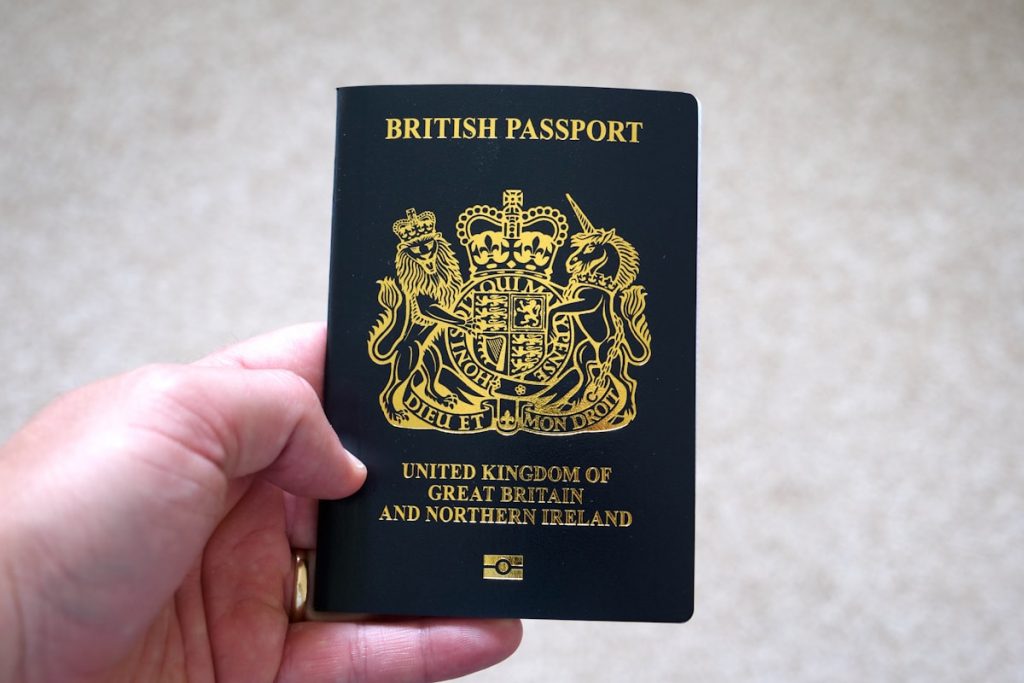
Cracking the Tech Endorsement Code: Modernising Your UK Innovation Visa Strategy
Securing an endorsement for a UK business visa can feel like pitching to the world’s most sceptical venture capitalists, except these judges assess your paperwork through rigid Home Office immigration benchmarks. Whether you are weighing the Global Talent route run through Tech Nation legacy frameworks or targeting the self-directed business pathway, crafting a coherent UK Innovation Visa Strategy requires airtight evidence, deep financial projections, and clear proof of novelty. Going through this process manually usually means months of guesswork, costly legal consultations, and endless redrafting, leaving founders vulnerable to subtle compliance errors that derail viable ventures.
Technology is transforming this gruelling process. Instead of drowning in spreadsheets or relying solely on generic legal templates, forward-thinking founders now use purpose-built evaluation platforms to stress-test their ideas before official submission. By integrating intelligent evaluation models, an AI-Powered UK Innovator Visa Application Assistant pinpoints narrative gaps, validates market traction against actual endorsing body criteria, and ensures your innovation narrative stands up to intense caseworker scrutiny.
The Landscape: Innovator Founder Pathway vs Tech Endorsement Routes
The UK tech ecosystem remains one of the most vibrant globally, attracting ambitious entrepreneurs eager to launch scalable ventures. When deciding how to enter, founders frequently debate between two major immigration options: the Global Talent Visa (often associated with Tech Nation’s digital technology criteria) and the Innovator Founder Visa.
While the Global Talent route rewards past personal achievements, such as notable open-source contributions, prominent speaking engagements, and senior leadership in product-led digital firms, it offers limited places and holds an exceptionally high bar for individual recognition. If you are an entrepreneur building a disruptive enterprise from scratch, the Innovator Founder route is often the natural vehicle.
However, the Innovator Founder pathway does not permit casual business models. To succeed, your venture must satisfy three mandatory statutory criteria set by the Home Office:
* Innovation: You must present a genuine, original business plan that meets new or existing market needs, creating a clear competitive advantage.
* Viability: You must hold the necessary skills, knowledge, experience, and market awareness to successfully run the business.
* Scalability: You must present structured evidence of structured job planning and growth potential into national and international markets.
Understanding how your profile fits these requirements is half the battle. Many entrepreneurs struggle to decide between routes; reviewing Innovator Founder vs Global Talent in 2026: which route fits you? is a practical first step to assessing where your strengths align before drafting extensive documents.
The Pitfalls of the Manual Endorsement Process
For years, the manual route has been the default way to assemble an endorsement application. You draft a 50-page business plan, gather reference letters, compile market research decks, and send them to immigration solicitors or legacy advisors.
While legal counsel provides valuable statutory advice, manual preparation often exposes founders to significant roadblocks:
1. Subjective Advice and Lengthy Turnarounds
Human consultants handle multiple files at once. A comprehensive review cycle can take weeks, often resulting in conflicting opinions about whether your startup genuinely looks innovative. What one advisor views as an impressive technological differentiator, an endorsing body might dismiss as off-the-shelf software integration.
2. Failure to Reflect Endorsing Body Nuances
The UK Home Office works with designated endorsing organisations to assess business plans. Each endorsing body has its own operational assessment rhythms, evaluation rubrics, and risk tolerances. Missing subtle formatting requirements or failing to provide realistic financial milestones can prompt immediate refusals. Even basic administrative details matter; you need to understand precisely what an Innovator Founder endorsement letter must contain before pinning your launch plans on a submission.
3. Crippling Preparation Costs
Traditional boutique immigration agencies routinely charge between £5,000 and £15,000 to assist with business plan reviews and endorsement drafting. For early-stage founders bootstrapping their ventures, these fees drain essential share capital that should fund initial software architecture, customer discovery, or intellectual property protection.
If you are currently writing your proposal by hand and want to cut turnaround times drastically, you can Build your Business Plan NOW using targeted automated workflows designed specifically for endorsing body rubrics.
Why an AI-Powered Assistant Outpaces Manual Routes
An intelligent platform changes the visa preparation paradigm from passive drafting to active, data-driven validation. Rather than treating your business plan like an essay, an advanced system analyses your submission through rigorous reasoning agents designed to mirror endorsing body assessments.
Here is how intelligent automation transforms your UK Innovation Visa Strategy:
| Feature Area | Traditional Manual Route | AI-Powered Platform (Torly.ai) |
|---|---|---|
| Turnaround Speed | 4 to 8 weeks per document review cycle | Rapid analysis with a 48-hour typical turnaround |
| Evaluation Depth | Subjective assessment from single advisor | Multi-agent stress testing across viability, innovation, and scale |
| Availability | Restricted to office hours and scheduled calls | 24/7 continuous guidance and iterative proposal drafting |
| Consistency | Risk of missing updated Home Office criteria | Dynamically updated against the latest immigration rules and case law |
By taking advantage of specialized tools, you ensure your materials are completely free of structural contradictions. When you deploy the TorlyAI BP Builder APP, you put specialized reasoning agents to work on your market analysis, operational roadmap, and financial projections simultaneously.
Deconstructing the Three Pillars of Visa Readiness
To pass an endorsing body panel, you cannot simply declare your tech startup is novel. You need to demonstrate it mathematically, structurally, and commercially.
Pillar 1: Proving Genuine Innovation
Endorsing bodies see hundreds of generic software concepts every month: ride-sharing knockoffs, basic customer relationship aggregators, and simple API wrappers. Innovation demands proprietary technical depth, an innovative process workflow, or a novel application for an underserved market.
Your application must demonstrate that competitors cannot readily replicate your solution overnight. This means evidencing your technical architecture, trade secrets, or provisional filings. It also requires clear proof of founder capability, ensuring you comfortably pass the fit and proper person test for Innovator Founders explained across all regulatory guidelines.
Pillar 2: Demonstrating Viability Beyond Buzzwords
Can your enterprise balance its books? Caseworkers and endorsing panels examine whether your cash flow assumptions are grounded in UK market reality. If you forecast hiring fifteen senior engineers in London on a £30,000 seed budget, your proposal will fail the viability test instantly.
An intelligent assistant cross-references your projected expenses against current UK wage averages, market acquisition costs, and commercial overheads. To test your raw assumptions against real benchmarks, use our UK Innovation Visa Strategy toolkit to highlight weak points in your operating budget.
Pillar 3: Realistic, Scalable Job Creation
Scalability requires demonstrating that the enterprise will expand sustainable employment within the domestic workforce. You must outline a credible growth engine:
* Tiered hiring schedules showing genuine domestic job generation.
* Clear market expansion pipelines, showing how you move from regional validation to national and international export sales.
* Scalable infrastructure where marginal costs fall as client volume increases.
To get started on this without getting bogged down in administrative dead-ends, you can Download BP Build Desktop APP to build compliant financial projections tailored to official requirements.
Step-by-Step: Preparing an Endorsement-Ready Application
Building an endorsement submission demands a disciplined sequence. Moving too quickly to the business plan before verifying eligibility criteria is the most common reason applications stall.
1. The Founder Profile and Background Audit
Assess whether your background supports the technical demands of your business. If your venture relies on deep machine learning systems, your curriculum vitae, portfolio, and past professional history must validate your capability to direct that development.
2. Evidence Gathering and Translation
Collate your evidence files: customer letters of intent, pilot program outcomes, technical architecture diagrams, cap tables, and third-party references. Ensure that all foreign-language verification records meet Home Office translation criteria to avoid unnecessary administrative delays.
3. Iterative Gap Identification and Redrafting
Instead of waiting weeks for an immigration lawyer to return redline edits, run your materials through automated evaluation agents. The software identifies unsupported assertions, ambiguous market sizing, or unrealistic customer churn assumptions, allowing you to patch weaknesses before an endorsing panel uncovers them.
When you are ready to assemble your complete evidence portfolio, Build Your Endorsement Application with 6 AI Agents to ensure every component aligns seamlessly with current guidance.
Common Pitfalls That Lead to Refusals
Every year, numerous applicants face immediate refusals from endorsing panels. Understanding these mistakes helps you avoid them:
- Generic Market Research: Citing massive macro-economic projections without demonstrating a bottom-up total addressable market analysis.
- Passive Management Profiles: Presenting an arrangement where the applicant acts purely as an investor rather than taking an active, day-to-day role directing the business.
- Incoherent Unit Economics: Failing to demonstrate how customer lifetime value outpaces customer acquisition costs over a three-year forecast.
- Over-reliance on Unverified Tools: Using unstructured consumer chatbots to write entire business plans, which produces repetitive, boilerplate text that professional panels spot immediately.
If you want an intelligent system built specifically for immigration compliance rather than generic prose generation, Your AI-powered assistant for UK Innovator Founder Visa business plan preparation provides the targeted reasoning required to avoid standard refusal triggers.
The Verdict: Transforming Your Relocation Roadmap
Securing a UK tech endorsement does not need to be an opaque, stressful gamble. While manual legal reviews remain useful for procedural checks, relying solely on human drafting is slow, expensive, and prone to subjective omissions.
By combining founder domain expertise with the analytical power of automated assessment platforms, you can evaluate your business concepts against official benchmarks in real time. Take charge of your immigration journey, build a resilient narrative, and implement a data-backed UK Innovation Visa Strategy that turns your entrepreneurial vision into an endorsement-ready reality.
