
Regional Data Protection Regulations · September 14, 2026
Navigating UK GDPR and Innovation Compliance with AI-Powered UK Innovator Visa Application Assistant
Discover how AI-Powered UK Innovator Visa Application Assistant conducts automated gap analysis to align your startup's data compliance roadmap with UK Home Office and endorsing body expectations.

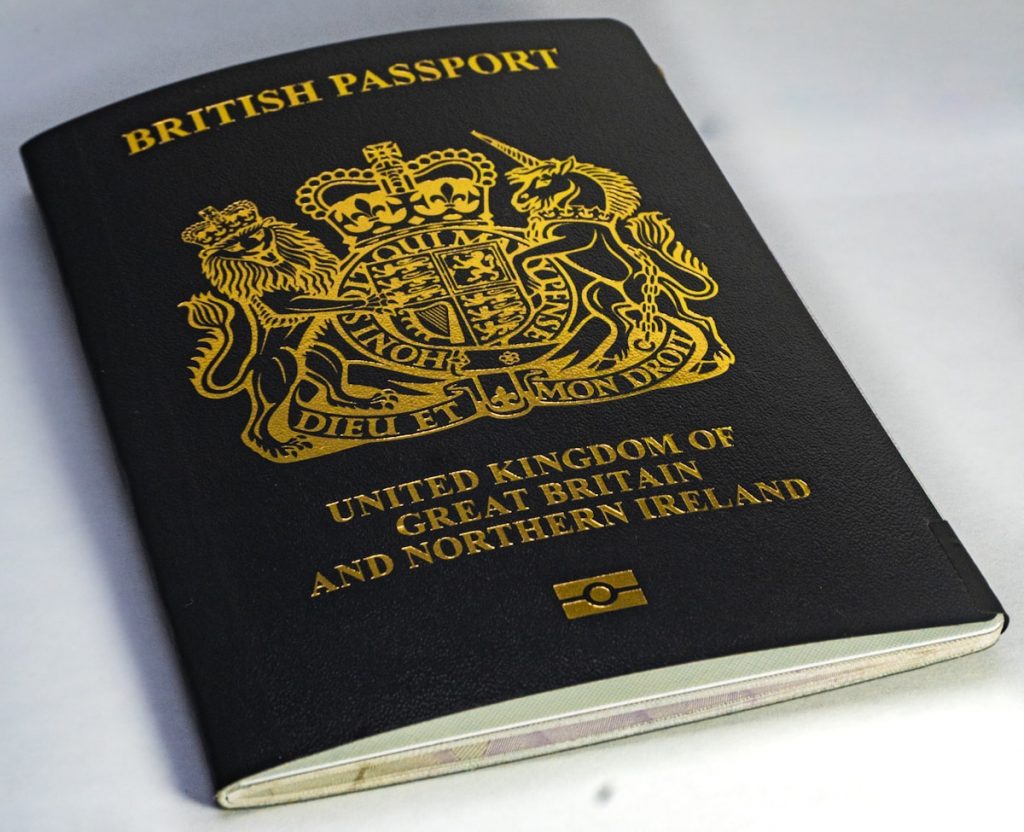
Demystifying UK Innovator Visa Compliance for Tech Founders
Getting an endorsement for the UK Innovator Founder Visa is tough. Most tech founders obsess over proving their product is cutting-edge. They pour weeks into writing flashy pitch decks, explaining advanced algorithms, and projecting massive revenue numbers. Yet, an alarming number hit a brick wall during the endorsing body review. Why? They forget that innovation without regulatory governance is an instant rejection. To secure an endorsement, your startup must prove that it can operate legally inside Britain. That means mastering data protection laws, post-Brexit regulatory frameworks, and strict security rules right from day one. In simple terms, flawless UK Innovator Visa compliance requires you to prove that your tech is scalable, viable, and legally airtight under UK GDPR.
If you are handling user data, health records, or financial transactions, your business plan cannot just gloss over data privacy. Endorsing bodies look closely at how your architecture treats personal data. They want to know if you understand Data Protection Impact Assessments (DPIAs), cross-border data transfer limitations, and lawful data processing. Leaving these details vague tells assessors that your venture poses a legal liability. Fortunately, you do not have to tackle this complex puzzle alone; you can leverage an AI-Powered UK Innovator Visa Application Assistant to run automated checks and align your operational strategy directly with Home Office standards.
The Collision of Innovation and UK GDPR
Founders often treat compliance as an afterthought. You build the minimum viable product first, find paying customers, and worry about data rules later. In the UK startup ecosystem, that strategy fails miserably. Endorsing bodies evaluate your business on three strict pillars: innovation, viability, and scalability.
How does data privacy fit into these criteria?
* Viability: If your business model relies on collecting customer data without valid consent or a lawful basis under the Data Protection Act 2018, your business is not viable. A massive fine from the Information Commissioner’s Office (ICO) could sink your startup before year two.
* Scalability: If you plan to expand across Europe or process international data, your systems must support cross-border transfer mechanisms, such as UK Standard Contractual Clauses (SCCs) and International Data Transfer Agreements (IDTAs). Without them, you cannot scale overseas legally.
* Innovation: If your core innovation uses artificial intelligence, where are you sourcing your training datasets? Did you scrape personal data unlawfully? Assessors now ask these exact questions.
When endorsing bodies evaluate your application, they scrutinise whether you have built privacy by design into your technology stack. They check if you have identified whether your startup acts as a data controller or a data processor. If your business plan fails to explain this distinction clearly, it signals a lack of readiness. To avoid these traps, many founders choose to Build your Business Plan NOW using intelligent systems that automatically incorporate privacy frameworks into technical proposals.
Post-Brexit Data Rules: What International Founders Miss
Since the UK formally left the European Union, data privacy has developed its own nuances. While the UK GDPR closely mirrors the EU GDPR, divergence exists. You cannot simply copy-paste an EU-centric data policy into your UK Innovator Founder Visa proposal and expect endorsing bodies to overlook it.
1. Navigating Dual Compliance
If your startup serves customers in both Manchester and Paris, you are subject to two parallel data regimes: UK GDPR and EU GDPR. You must account for how personal data flows between the UK, the European Economic Area (EEA), and third countries. Although the EU granted the UK an adequacy decision, smart founders know this arrangement is subject to ongoing review. Your plan must demonstrate resilience if regulations drift apart.
2. Legal Bases for Processing Sensitive Data
Are you building a MedTech, BioTech, or clinical innovation startup? Processing special category data demands extreme care. You cannot rely on broad consent. You must identify specific exceptions under Article 9 of the UK GDPR alongside a lawful basis under Article 6. Demonstrating that your startup understands these nuances shows endorsing bodies that you possess genuine commercial and operational acumen.
3. Data Protection Impact Assessments (DPIAs)
Endorsing bodies want to see that you manage risk proactively. If your startup introduces high-risk processing, like automated profiling, biometric scanning, or large-scale tracking, you must conduct a DPIA. Including a sample DPIA summary in your visa documentation provides hard proof that your venture is ready for commercial launch. To make sure you do not miss any critical regulatory gaps in your strategy, running a UK Innovator Gap Analysis can help you identify missing policies before an official assessor flags them.
Why Manual Visa Preparation Falls Short
Writing a visa-ready business plan manually is an exhausting exercise. Traditionally, founders would spend thousands of pounds on immigration lawyers, only to find that traditional solicitors rarely understand modern software architectures, machine learning pipelines, or API integrations.
Immigration advisers understand immigration rules, but they often struggle to explain technical data privacy roadmaps. On the flip side, commercial tech lawyers understand data rules, but they know very little about endorsing body scoring rubrics. This disconnect leaves founders stranded in the middle, trying to connect complex tech architecture with immigration requirements.
This is where automated intelligence bridges the gap. Advanced AI platforms evaluate your venture simultaneously across both technical execution and immigration guidelines. Instead of wondering if your data retention timeline satisfies Home Office scrutiny, intelligent platforms analyse historical endorsement trends to give you direct, actionable feedback. With the right tools, you can work with an assistant that acts as a business evaluator, compliance analyst, and technical advisor in one unified system.
Bridging the Gap: AI-Powered Readiness Checks
The modern UK Innovator Founder Visa route requires a level of precision that generic business templates simply cannot deliver. Your documentation must show a cohesive story from founder expertise to market viability and legal compliance. Using specialised software like the TorlyAI Desktop APP allows founders to stress-test their ideas against real-world endorsing criteria before submitting their portfolio.
Here is how intelligent readiness checks protect your visa journey:
- Automated Gap Identification: AI agents parse your operational plan to detect missing legal requirements, such as unaddressed international data transfers or absent breach notification protocols.
- Architectural Stress Testing: The platform evaluates whether your cloud setup (e.g., AWS London, Azure UK South) matches your claims about data residency and UK sovereign storage.
- Founder-Product Alignment: It checks whether your professional background matches the technical and regulatory complexity of the business you are proposing.
By taking advantage of an AI-Powered UK Innovator Visa Application Assistant, you remove guesswork from the equation, transforming broad startup ambitions into structured, endorsement-ready evidence.
Constructing a Compliant Data Strategy for Your Endorsement
To satisfy an endorsing body, your business plan should include a dedicated section covering governance, risk, and compliance. Here is a practical checklist of what you should embed directly into your operational narrative:
Data Architecture and Sovereignty
Clearly define where user data resides. If you are operating a platform for UK citizens, state clearly which data centres you use. Highlight how encryption at rest and in transit is handled. Simple technical reassurances demonstrate that your team takes digital security seriously.
Privacy by Design Workflow
Explain how your development cycle incorporates privacy at the code level. Mention practical measures:
* Pseudonymisation and data minimisation protocols.
* Role-based access controls for internal staff.
* Regular vulnerability assessments and penetration testing schedules.
* Clear procedures for handling Subject Access Requests (SARs) within the mandatory one-month window.
Incident Response and Breach Protocols
Under UK GDPR, serious data breaches must be reported to the ICO within 72 hours. Outlining an incident response plan in your operations chapter proves to the endorsing body that your startup has mature systems in place.
If building out these detailed operational roadmaps feels overwhelming, you can rely on the TorlyAI BP Builder APP to structure your regulatory roadmaps systematically alongside your financial forecasts.
Securing Your Pathway to UK Startup Success
The UK remains one of the greatest places in the world to launch an innovative business. Access to venture capital, top university talent, and a mature tech market makes the country a magnet for ambitious international entrepreneurs. However, the UK Innovator Founder Visa is designed to filter out founders who cannot execute under rigorous market conditions.
By treating data privacy and regulatory alignment as vital pillars of your business plan rather than annoying legal chores, you immediately stand out from the competition. Endorsing bodies are not just looking for great ideas; they are looking for resilient businesses capable of operating safely within the UK regulatory framework.
Do not leave your application to chance or rely on generic business plans that ignore vital compliance obligations. Conduct a comprehensive UK Innovator Gap Analysis today to evaluate your venture against Home Office criteria, fix regulatory oversights, and submit an application that commands confidence from endorsing bodies.
