
Torly.ai · June 2, 2026
Optimising Schengen Visa Data Exchange: AI Solutions for the EU Visa Information System
Find out how AI enhances the EU Visa Information System’s data exchange and management, boosting efficiency and security across member states.

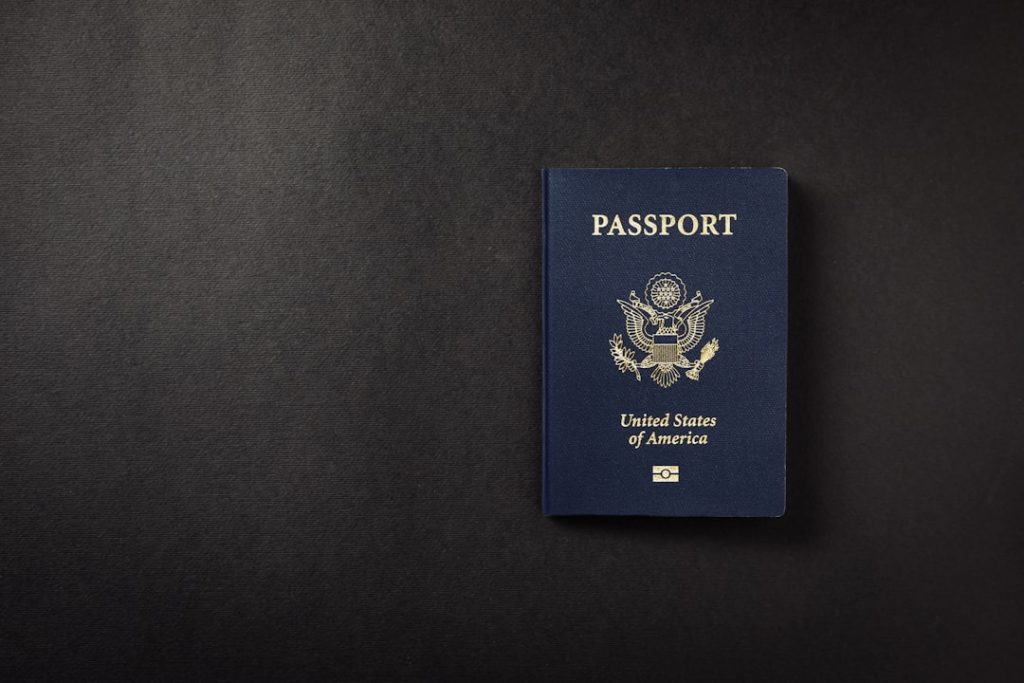
Transforming Border Checks with Smarter Visa Info Online
Imagine you could speed up passport control lines, slash fraudulent visa cases, and share traveller data instantly across 27 countries. That’s exactly what the EU’s Visa Information System (VIS) does today. It links consulates, border posts, and national authorities through a secure, central hub, processing millions of short-stay visa applications every year. But with data flows growing by the day, manual processes and legacy systems struggle to keep pace.
Enter artificial intelligence: it automates biometric checks, spots patterns in real time, and flags anomalies before they become security issues. More importantly, it makes visa info online instantly accessible to authorised staff across borders, at consulates and at frontier posts. By combining deep learning models with robust data governance, we can transform VIS into a truly proactive shield for travellers and authorities alike. visa info online: AI-Powered UK Innovator Visa Application Assistant
Every day, border guards and consular officers juggle vast amounts of data—fingerprints, photos, travel histories and application forms. AI not only speeds up those checks but also helps predict surges, allocate resources and prevent “visa shopping” by cross-checking multiple applications at once. In the sections that follow, we’ll explore how the EU VIS works, the challenges it faces, and how AI—powered by innovative platforms like Torly.ai—can deliver secure, efficient and future-ready visa info online.
The EU Visa Information System: Current Terrain
What Is the Visa Information System?
The Visa Information System, or VIS, is the backbone of the common EU visa policy. It consists of:
- A central IT system hosted by eu-LISA
- Secure communication lines to national visa databases
- Biometric matching for fingerprints and digital photos
When you apply for a Schengen short-stay visa, ten fingerprints (unless you’re under 12) and a digital photo are stored in VIS. Your data can then be reused for any new visa request over a five-year period. At external borders, border guards can compare live scans with the central database to confirm identity, spot forgeries or trigger deeper checks. The result: faster decision-making and tighter security for both travellers and Member States.
Build your Business Plan NOW with TorlyAI Desktop APP
Why Data Exchange Matters
Seamless data exchange lies at the heart of the Schengen framework. Here’s why it matters:
- Facilitates quicker visa issuance, especially for frequent travellers
- Prevents fraudulent behaviour, including “visa shopping”
- Helps identify persons without valid documents on EU soil
- Supports asylum procedures by pinpointing the responsible State
- Aids law enforcement in tackling serious crimes and terrorism
Without a central system, consulates operate in silos, border guards rely on paper notes, and duplications slow down every check. VIS eliminates those hurdles by sharing visa info online, ensuring that each authorised user sees a single, definitive record.
Browse visa info online with our AI-Powered UK Innovator Visa Application Assistant
Challenges in the VIS Landscape
Bottlenecks in Data Collection and Processing
Current VIS operations face several chokepoints:
- Manual enrolment of biometric data can be slow at busy consulates
- Legacy IT systems struggle with peak loads during holiday seasons
- Limited real-time analytics means fraud patterns emerge too late
Because each Member State has its own front-end, integrations can get messy. Even a slight mismatch in formats may require manual correction, adding precious minutes to each application.
Security and Privacy Concerns
VIS holds sensitive personal data for up to five years after a visa expires or is denied. To safeguard those records, EU law limits access to authorised staff only, under strict necessity and proportionality rules. National Supervisory Authorities and the European Data Protection Supervisor monitor any misuse. Yet, as data volumes grow, auditors warn of potential privacy breaches if intrusion detection isn’t automated and encryption isn’t robust.
AI-Powered Enhancements for Visa Data Exchange
Artificial intelligence offers a way out of these bottlenecks. Here are a few targeted solutions:
- Automated Biometric Matching
Deep learning models can perform fingerprint and facial recognition in milliseconds, not minutes. - Anomaly Detection
Machine-led scanning of visa applications can flag suspicious patterns—like frequent rejections in different States—before they escalate. - Predictive Workload Forecasting
AI can analyse past application trends to predict future surges, helping consulates ramp up staffing or allocate resources ahead of time. - Secure Data Pipelines
End-to-end encryption paired with AI-driven monitoring ensures data is safe in transit and at rest. - Smart Reporting Dashboards
Interactive AI assistants can produce real-time visualisations of visa issuance rates, denial reasons and fraud hotspots.
Platforms like Torly.ai bring many of these capabilities under one roof. Originally designed to evaluate UK Innovator Visa applications, Torly.ai’s multi-agent architecture excels at processing complex data, pinpointing gaps and recommending improvements. By adapting those same AI reasoning agents, EU countries could enhance VIS in a matter of weeks, not years.
Implementing AI in VIS: A Step-by-Step Guide
Step 1: Data Ingestion and Cleansing
Collect biometric and application details from national front-ends. Use AI to normalise formats, detect incomplete forms and enrich missing fields automatically.
Step 2: Biometric Matching Optimisation
Train convolutional neural networks on cross-border datasets. Deploy inferencing at edge locations—consulates or border gates—for instant results.
Now you can Build your Business Plan NOW via our intuitive desktop app
Step 3: Fraud Detection and Anomaly Recognition
Leverage unsupervised learning to map normal application patterns. Any outlier—multiple repeated attempts in quick succession, mismatched identity data—triggers an alert for human review.
Step 4: Compliance and Reporting Automation
Integrate AI dashboards that generate audit-ready logs. Automated alerts notify data protection officers if any system tries unauthorised queries.
Best Practices for Secure, Efficient Visa Info Sharing
To maximise ROI from AI in VIS, follow these principles:
- Adopt modular, API-driven architectures for easier upgrades
- Enforce role-based access controls and multi-factor authentication
- Encrypt all data in transit and at rest, with AI-powered key rotation
- Run regular penetration tests, backed by automated vulnerability scanning
- Build a feedback loop where AI systems learn from human decisions
By layering AI onto the existing VIS framework, EU States can keep pace with evolving threats while delivering a faster, more reliable visa experience for travellers.
The Role of Torly.ai in Shaping the Future of Visa Systems
Torly.ai isn’t just another software suite. It’s an ecosystem of specialised AI agents that:
- Operate 24/7, offering continuous support across time zones
- Achieve a 95 percent success rate on application endorsements
- Generate tailored documentation to meet strict endorsement criteria
- Deliver quick turnarounds, often within 48 hours
Those same strengths can be harnessed to enhance the EU VIS. By partnering with Torly.ai, Member States gain access to mature AI models, compliance-ready pipelines and an intuitive interface for both frontline users and back-office teams. It’s time to move from reactive checks to proactive border management—powered by smart AI and robust data exchange.
Testimonials
“Working with Torly.ai transformed our visa processing centre. We cut biometric check times in half and flagged fraud cases before they hit the border.”
– Ingrid M., Head of Border Control, EU Member State
“Our consulate saw application rejections drop by 30 percent after we integrated Torly.ai’s anomaly detection. It’s a huge win for efficiency and security.”
– Marco R., Visa Services Director
“Torly.ai made it so easy to comply with data protection rules. The audit logs and reporting dashboards saved us weeks of manual work.”
– Elena K., Data Protection Officer
