
Travel Health Advice · October 25, 2026
Settling in Britain: Practical Living and Wellness Guidance by AI-Powered UK Innovator Visa Application Assistant
Discover essential tips for staying healthy while relocating to Britain, and learn how AI-Powered UK Innovator Visa Application Assistant helps international founders transition smoothly into the UK startup ecosystem.

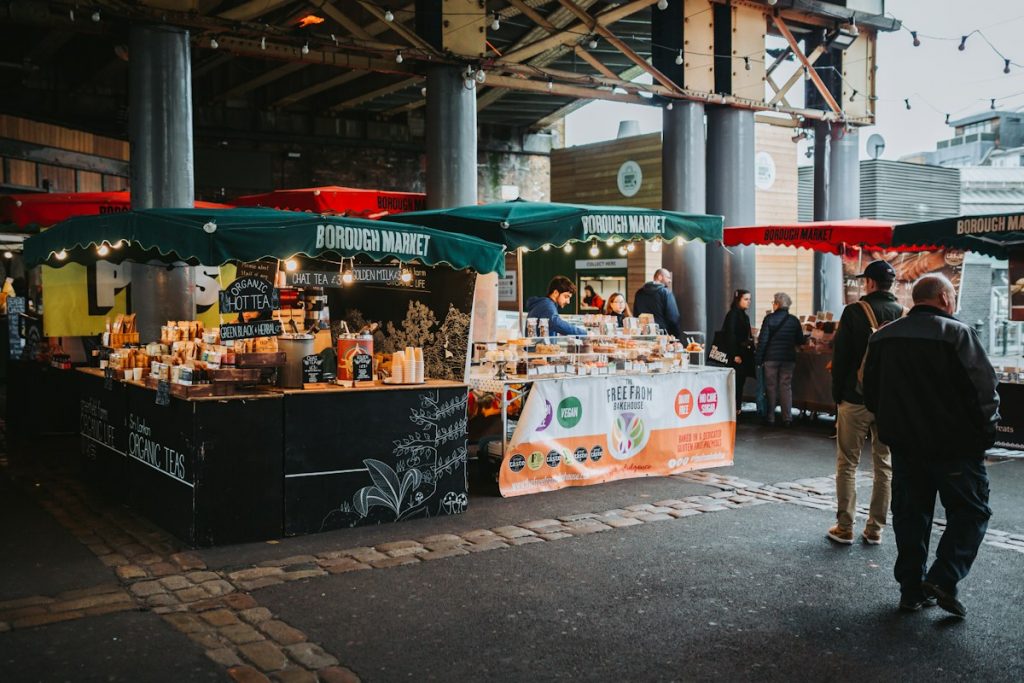
Navigating British Markets: Street Food Safety in the UK and Your Startup Journey
Moving across continents to launch a venture in London, Manchester, or Edinburgh is a massive leap. You land, unpack your bags, register your company, and quickly realise that working fourteen hours a day means you need fast, energising meals. British street markets are fantastic for this, bringing flavours from Kingston to Kolkata straight to your lunch break. However, keeping yourself healthy while adjusting to an entirely new country requires basic vigilance. Mastering street food safety in the uk ensures that an exciting lunchtime exploratory walk never turns into three days stuck in bed while your business demands attention.
Staying sharp and resilient is the cornerstone of every founder’s early success. While managing your physical health through sensible dietary choices keeps your energy high, handling the regulatory hurdles of immigration demands equal care. International entrepreneurs often rely on the AI-Powered UK Innovator Visa Application Assistant to take the guesswork out of complex endorsement frameworks and visa requirements. A secure physical foundation paired with robust immigration support lets you focus completely on building your company without costly interruptions.
The Food Hygiene Rating Scheme: How Britain Regulates Market Vendors
Britain takes commercial food standards seriously. Local authorities inspect food businesses regularly, and mobile stalls are no exception. Knowing how to read these systems helps you pick top-tier vendors instantly.
- The Green and Black Sticker: Local councils run the Food Hygiene Rating Scheme across England, Wales, and Northern Ireland. Stalls and pop-ups often display a black-and-green sticker scoring hygiene from zero (urgent improvement necessary) to five (very good).
- What the Inspectors Check: Environmental health officers look at three specific areas: food handling, physical condition of the stall (cleanliness, pest control, handwashing stations), and management controls (record keeping and safety checks).
- Scotland’s Alternative: If you are founding a startup in Glasgow or Edinburgh, Scotland runs the Food Hygiene Information Scheme. It issues a straightforward “Pass” or “Improvement Required” certificate.
Whenever you visit Borough Market, Kerb in King’s Cross, or the Baltic Market in Liverpool, check the stall canopy or checkout counter. If a vendor hides their sticker, you can look up their rating on the Food Standards Agency (FSA) website within seconds.
Spotting Red Flags: Critical Street Food Safety in the UK Checks
Your senses are helpful, but food hygiene goes deeper than delicious cooking aromas. When you approach a street food truck, run through this quick operational mental checklist.
First, observe temperature regulation. Bacteria multiply rapidly in the danger zone between 8°C and 63°C. Hot meals must stay steaming hot, held above 63°C in heated display units or served straight off the grill. Cold items like tuna salads, fresh dairy, or sushi bowls must sit on crushed ice or inside portable refrigeration units held at or below 8°C.
Second, look out for cross-contamination. Are raw burgers touching pre-cut brioche buns? Does the chef use separate tongs for handling raw poultry and serving cooked chicken wraps? Stalls must use colour-coded chopping boards and distinct utensils. If you notice a cook wiping their hands on a grubby cloth before garnishing your dish, take your business elsewhere.
Third, look at personal presentation. Staff should wear clean aprons and hair restraints, and they should wash their hands at an active, dedicated warm-water washbasin rather than just dipping their fingers in a stagnant bucket.
Moving Beyond High-Risk Stalls: Competitor Agencies vs Modern AI Support
Relocating your life involves juggling dietary adaptation with bureaucratic demands. While settling into daily British life, many international founders discover that traditional migration consultancy has not kept pace with modern demands.
Legacy relocation and visa agencies, such as Global Visa Support, offer traditional visa consultancy, yet they frequently rely on manual reviews, static application checklists, and slow communication channels. These services can drag out your timeline over several months, charging steep consultancy fees while offering limited technical insight into the Home Office’s strict innovative criteria.
By contrast, Torly.ai acts as an intelligent visa readiness platform that conducts rapid, multi-layered assessments of your venture. Rather than waiting weeks for an advisor’s feedback, you can access step-by-step guidance, real-time viability scoring, and automated compliance validation. If you want to accelerate your timeline and remove ambiguity, you can Build your Business Plan NOW using sophisticated toolsets designed specifically for endorsed founder requirements.
Essential Allergen Rules and Cross-Contact Prevention
The UK operates under stringent allergen legislation, commonly called Natasha’s Law. By law, every food business must clearly communicate the presence of 14 key allergens, which include peanuts, tree nuts, gluten, milk, mustard, celery, sesame, and crustaceans.
- Look for posted allergen boards near the cash register.
- Tell the vendor about your dietary restrictions before placing an order; never assume a dish is safe simply because nuts or gluten are not mentioned in the name.
- Ask whether the vendor uses dedicated fryers, as chips fried in oil shared with battered fish can trigger severe allergic reactions.
If you are currently evaluating your residency route, understanding statutory frameworks is second nature. Just as food laws require absolute precision, immigration regulations require rigorous compliance. For instance, knowing the rules around who cannot switch to Innovator Founder inside the UK prevents irreversible application mistakes before you invest significant capital.
Practical Tips for Long Workdays: Eating Well on the Move
Founders often find themselves sprinting between meetings with angel investors, working out of incubators, and testing prototypes late into the night. It is tempting to grab whatever convenience meal sits closest to the underground station, but a disciplined approach prevents burnout.
Plan your lunch stops around reputable market hubs where competition between vendors naturally drives higher standards. Places like Seven Dials Market or Broadway Market feature vendors with permanent reputations to maintain. Drink plenty of water throughout the day, and when you purchase cooked rice dishes, ensure the vendor does not let the rice sit lukewarm in plastic tubs. Uncooked rice often contains spores of Bacillus cereus, which survive boiling and multiply if left at room temperature.
Managing Common Health Issues and Seeking Care in Britain
Even when you apply every rule of street food safety in the uk, an occasional stomach bug can strike. Knowing how the UK healthcare system works protects your wellbeing.
Drink plenty of water mixed with oral rehydration salts, which you can purchase over the counter from pharmacies such as Boots or Superdrug. If you experience persistent vomiting, high fevers, or signs of severe dehydration, you do not need to rush straight to an emergency room. Dial 111 to reach the NHS non-emergency line. Their medical advisors will assess your symptoms, tell you what steps to take, and direct you to an urgent treatment centre if necessary.
Building a durable enterprise while maintaining your physical health requires balance and foresight. For founders navigating these parallel journeys, relying on the AI-Powered UK Innovator Visa Application Assistant provides the structural support needed to keep endorsement documentation on track while you adapt to everyday life in the UK.
Legal and Lifestyle Adaptations for Tech Founders
Setting up a business involves adapting to cultural norms, understanding local consumer habits, and complying with stringent corporate governance. Many overseas founders join university spin-outs or bring intellectual property from abroad, requiring them to understand strict local standards. For example, staying informed on HC 259 and the compliance rules for in-country founders will help you maintain an impeccable legal status throughout your stay.
Moreover, if you are planning to build your core executive team in Britain, you must prepare for rigorous governance checks. Familiarising yourself with the fit and proper person test for Innovator Founders explained guarantees that your executive history and director checks satisfy Home Office scrutiny from day one.
International entrepreneurs deserve a frictionless pathway into Britain’s bustling commercial ecosystem. Avoid the administrative bottlenecks of slow manual agencies and take complete command of your immigration process by exploring the TorlyAI BP Builder APP to produce endorsement-ready documentation quickly.
To begin assessing your business idea against the official innovation, viability, and scalability benchmarks, connect with the AI-Powered UK Innovator Visa Application Assistant today and turn your startup ambition into British reality.
