
Sponsorship Guides · November 20, 2026
Sponsor Licence or Innovator Founder Visa? Decide Smartly with AI-Powered UK Innovator Visa Application Assistant
Evaluate the costs of employer sponsorship against direct founder autonomy using AI-Powered UK Innovator Visa Application Assistant to model your optimal pathway.

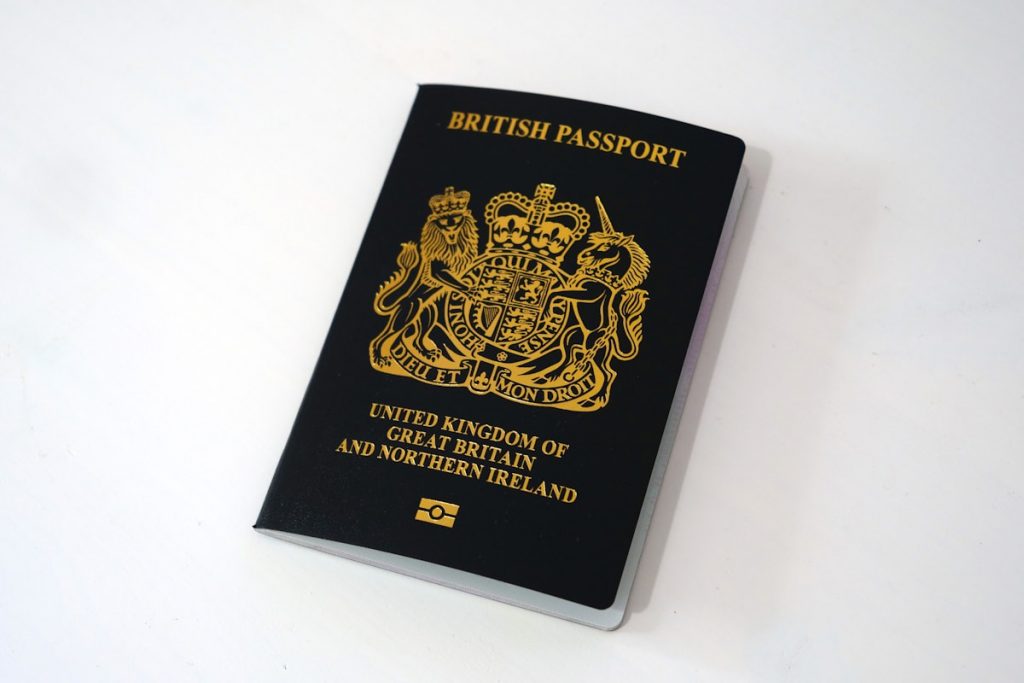
The Fork in the Road: Employment Sponsorship vs Complete Founder Autonomy
Setting up shop in the United Kingdom brings every global entrepreneur to a massive strategic crossroads. For years, the default play for an Overseas Business Visa UK strategy involved either getting sponsored by an established British firm or trying to set up a complex overseas branch. Today, the conversation usually boils down to two options: fighting through the bureaucratic slog of getting a sponsor licence to hire yourself, or taking complete control of your destiny via the standalone route. If you want a direct path to launching your enterprise without tethering your legal status to corporate red tape, you need to explore how an Overseas Business Visa UK solution transforms this entire assessment from guesswork into hard data.
Taking the traditional sponsor licence route means dealing with rigid salary thresholds, hefty Immigration Skills Charges, and invasive Home Office monitoring audits. Conversely, the Innovator Founder Visa grants you true operational freedom, but it demands an original, viable, and scalable concept validated by an official endorsing body. Deciding which path fits your venture comes down to capital efficiency, compliance risks, and how quickly you want to enter the British market. Let us unpack both models so you can make a calculated, commercially sound choice.
What a UK Sponsor Licence Actually Demands
Many founders think: “Why not just incorporate a UK company, apply for a sponsor licence, and sponsor myself as a Skilled Worker?”
On paper, it sounds clever. In practice, the Home Office has spent years shutting down artificial vacancies.
Securing a sponsor licence is not just a quick form. It is an ongoing regulatory burden designed to ensure UK companies fill genuine domestic labour shortages. To make it work, your UK entity must prove it is trading, possess dedicated human resources management systems, appoint Key Personnel (Authorising Officer, Key Contact, and Level 1 User), and pass genuine employment tests.
If you own a significant equity stake, sponsoring yourself under a Skilled Worker visa faces extreme scrutiny. If an officer suspects the role was created purely to facilitate your immigration, the licence application gets rejected, or worse, revoked later. For genuine entrepreneurs, sinking thousands of pounds into compliance audits before writing a single line of client code is rarely a smart use of seed capital.
Before committing capital to expensive legal setups, it pays to check your standalone founder potential. You can TorlyAI Desktop APP to see if your core venture already fits direct endorsement routes without employer red tape.
The Innovator Founder Pathway: True Autonomy Without a Boss
The Innovator Founder route eliminated the old £50,000 investment funds requirement, replacing it with a clear focus on the substance of your concept. Under this route, you do not answer to an employer or report your everyday holidays to an HR compliance officer. You are your own boss.
To qualify, your business must satisfy three core pillars assessed by an approved endorsing body:
- Innovation: You must bring an authentic, original business plan that satisfies new or existing market needs, creating a distinct competitive advantage.
- Viability: You must have the necessary skills, background, market awareness, and resource planning to run the company successfully.
- Scalability: There must be concrete evidence of structured planning, showing potential for genuine job creation and growth into national or international markets.
The trade-off is obvious. You exchange employment audits for intense intellectual scrutiny. Endorsing bodies will not rubber-stamp generic agencies, simple import/export setups, or standard consultancies. You need defensible intellectual property, clear technological advantages, or structural market disruptions. If you are uncertain how your concept compares to expectations, mastering UK Innovator Founder Visa criteria is the vital first step toward approval.
Cost and Timeline Comparison: Sponsorship vs Innovator Founder
Every founder knows burn rate dictates survival. Looking at an Overseas Business Visa UK transition purely through an operational balance sheet reveals immediate contrasts:
| Criterion | Sponsor Licence + Skilled Worker | Innovator Founder Visa |
|---|---|---|
| Upfront Government & Legal Fees | High (Licence fee + CoS + Solicitor + Visa) | Moderate (Endorsement fee + Visa fee) |
| Mandatory Annual Levies | Immigration Skills Charge (£364–£1,000/yr) | None |
| Salary Requirements | Must meet high minimum thresholds | Flexible (Pay according to startup cash flow) |
| Settlement Timeline (ILR) | Typically 5 years | Accelerated 3 years (if milestones met) |
| Operational Flexibility | Restricted to the nominated job code | Complete freedom to pivot and scale |
| Bureaucracy Level | Continuous HR tracking, reporting duties | Milestone check-ins at months 12 and 24 |
The accelerated settlement feature often tips the scales. Achieving Indefinite Leave to Remain (ILR) within three years instead of five saves substantial visa renewal charges and National Health Service surcharges.
However, getting to that point requires an impeccable plan. You can use an AI-Powered UK Innovator Visa Application Assistant to run predictive assessments across your commercial model, surfacing any gaps before an endorsing panel spots them.
Where Traditional Consultancies and Solicitors Fall Short
When evaluating routes, entrepreneurs usually hire traditional immigration firms. The standard process involves hefty retainers, slow draft revisions, and static legal advice.
Immigration solicitors understand statutory rules, but they rarely understand modern software architectures, unit economics, or viral product loops. An endorsing body wants to see customer acquisition costs, churn rates, defensible technological moats, and financial runaways. When a traditional firm tries to draft an entrepreneur’s commercial deck, the narrative often ends up dense, legalistic, and commercially unconvincing.
This gap is precisely why many founders face surprise rejections. They pay top dollar for legal compliance, yet fail on the commercial innovation test. Learning the top reasons Innovator Founder visas are refused highlights how simple misalignments between technical descriptions and market realities sink otherwise brilliant proposals.
How AI Intelligence Streamlines Your Founder Journey
Modern visa preparation requires speed, iterative testing, and deep commercial analysis. Instead of waiting weeks for advisory revisions, intelligent platforms conduct immediate, multi-layered assessments across your entire application profile.
Torly.ai acts as your specialized intelligence layer. Rather than operating as a simple text editor, it deploys next-generation reasoning agents to assess:
- Idea Qualification: Testing your concept against historical endorsing body feedback to verify innovation, viability, and scalability.
- Applicant Background Analysis: Highlighting founder-market fit, verifying technical capability, and spotting missing executive roles.
- Gap Remediation: Constructing an actionable roadmap to fix weak market metrics, refine cash flow models, and align technology stacks.
If you are ready to prepare a bulletproof document pack, you can Build your Business Plan NOW using intelligent systems that assemble defensible market projections in hours instead of months.
By running iterative models, you eliminate the blind spots that lead to endorsing body skepticism. To dive deeper into how automated frameworks outpace old agency models, read how AI-powered systems outperform traditional writing services when crafting endorsement documents.
Navigating the Decision Matrix: Which Path Fits You?
Ask yourself these four direct questions to pick your pathway:
- Do you have an existing trading entity with domestic revenue? If you already run a profitable UK operation with local staff, adding a sponsor licence can be a predictable, administrative route.
- Is your venture genuine, unique, and tech-enabled? If you are launching a startup with proprietary workflows, unique IP, or disruptive business models, bypassing employer sponsorship for the Innovator Founder visa gives you complete ownership.
- What is your runway? If spending tens of thousands on legal fees and corporate payroll obligations hurts your product runway, the direct founder route is vastly more capital-efficient.
- How quickly do you want permanent residency? The 3-year ILR bridge under the Innovator Founder route is the fastest immigration settlement pathway in the UK.
Taking the direct route does not require guessing your chances. The smartest founders test their core thesis against actual endorsing guidelines first. Tap into an AI-Powered UK Innovator Visa Application Assistant today to evaluate your venture, build an endorsement-ready proposal, and take charge of your British expansion with absolute confidence.
