
Business Strategy · October 14, 2026
Strategic Scenario Planning for UK Visas: Put Theory into Practice with Torly.ai
Learn how Torly.ai turns complex strategic planning into endorsement-ready business plans using automated scenario analysis and intelligent risk modelling.

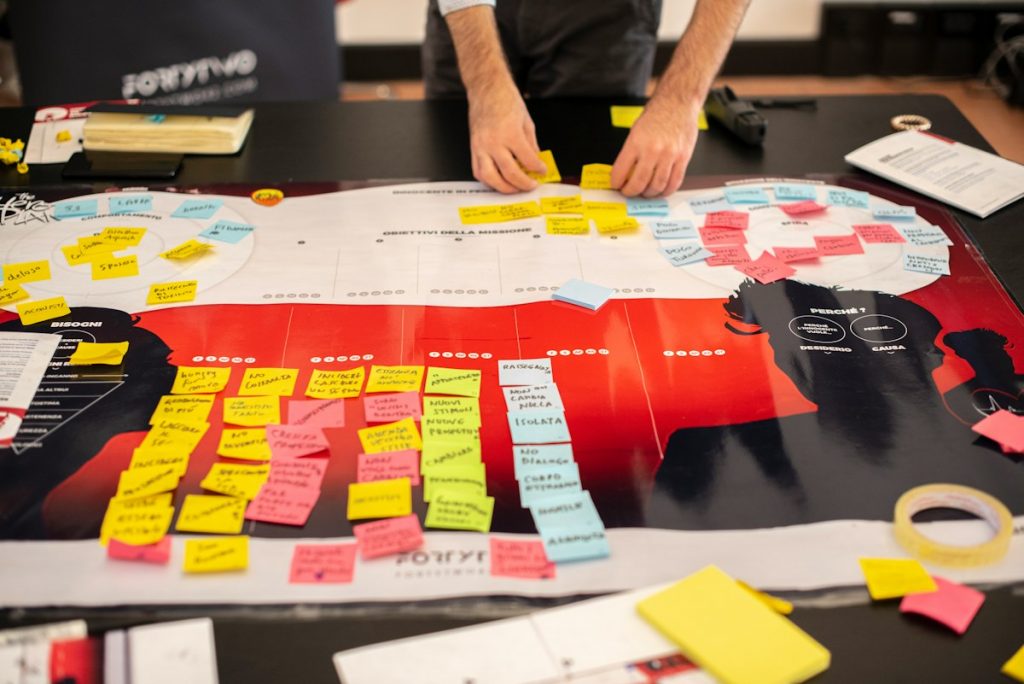
The High-Stakes Reality of UK Visa Strategy
Most startup founders treat their immigration business plan like a formal school essay. They fill out forty pages of hopeful spreadsheets, paste some glossy charts from industry blogs, and pray the Home Office rubber-stamps their dreams. Here is the blunt reality: UK endorsing bodies read hundreds of these pitch decks every single month. They do not care about your best-case daydream where everything goes right. They want to see what happens when the wheels come off, whether your cash flow survives a delayed product launch, and how you manage sudden market shocks. That is why genuine Innovator Founder Scenario Planning separates successful founders from rejected applicants.
When you sit down to tackle the UK Innovator Founder Visa, you are entering an arena that demands total commercial viability, genuine innovation, and clear scalability. Classic management theory shows us that scenario planning is not about predicting the future; it is about building the muscle to survive whatever happens next. You cannot rely on static templates when dealing with strict endorsement criteria. Instead, smart founders leverage automated risk modelling and AI reasoning. If you want to transform uncertain strategic concepts into an ironclad submission, you can master Innovator Founder Scenario Planning with Torly.ai to pressure-test every operational assumption before an assessor spots the cracks.
Why Endorsing Bodies Reject “Optimism-Only” Business Plans
Endorsement panels possess a sharp radar for fantasy numbers. When an applicant submits a financial forecast showing straight-line revenue growth with zero churn and instant profitability, assessors see a red flag.
UK endorsing bodies evaluate three non-negotiable pillars:
* Innovation: You must bring a genuine, original business idea that meets new or existing market needs, creating a competitive advantage.
* Viability: You need the appropriate skills, knowledge, experience, and market awareness to run the business successfully.
* Scalability: There must be evidence of structured planning and potential for job creation and growth into national and international markets.
Where do most founders stumble? Viability. Viability collapses when your strategy assumes ideal market conditions. If your supply chain stutters, your key developer resigns, or client acquisition costs double, does your enterprise collapse?
If your plan cannot answer these questions, you look unprepared. Endorsers want to see that you have mapped out the potholes. They want to know you have rehearsed the future.
Deconstructing Scenario Planning: Lessons from Strategy Pioneers
Strategic scenario work is not a modern tech gimmick. Pioneering strategists, from Pierre Wack at Royal Dutch Shell to modern thinkers like Art Kleiner and Peter Schwartz, established that scenarios are imaginative, plausible pictures of potential futures designed to help us make better decisions right now.
Wack famously likened the practice to Zen archery: training your vision until you see the world as it actually exists, not as you desperately wish it to be.
In classic corporate governance, leadership teams follow a disciplined path:
1. Identify the core urgent decision.
2. Define the context, internal assets, and operational limits.
3. Map out driving forces, both external trends and predetermined events.
4. Separate the plausible from the absurd.
5. Create distinct, divergent storylines.
6. Stress-test decisions across all storylines to find “no-regrets” moves.
When applying this mindset to the UK startup landscape, you cannot afford months of theoretical workshops. You need actionable outcomes quickly. That is why founders use specialised software to build these narratives, ensuring they Build your Business Plan NOW with stress-tested financial models that stand up to tough cross-examination.
The Moving Parts: Identifying Driving Forces in the UK Ecosystem
To make your scenario modelling convincing to an endorsing body, your narratives must reflect real macro forces in Britain and Europe. You cannot create scenarios in an imaginary bubble.
Consider the driving forces that will influence your venture over the next three to five years:
Predetermined Elements
These are unchangeable structural conditions. For instance:
* UK Corporation Tax rates and statutory employment regulations.
* Data privacy laws such as the UK GDPR.
* Rising computational and cloud infrastructure costs.
* Persistent compliance obligations under the Home Office framework.
Critical Uncertainties
These are the upstream wild cards that could dramatically shift your trajectory:
* Shifts in enterprise enterprise budgets for third-party software.
* Algorithmic disruption or sudden shifts in open-source AI tooling.
* Sudden labour market crunches within your specific engineering niche.
* Fluctuations in sterling value affecting international software sales.
When you blend these factors into your strategic review, your application suddenly speaks the language of a seasoned executive. You demonstrate to endorsing bodies that you grasp the external forces bearing down on your enterprise.
Translating Strategic Narratives into Endorsement-Ready Plans
How do you translate high-level scenario planning into pages that win over an endorsement panel? You build structured contingency pathways directly into your operational narrative.
Do not just present a single narrative. Present your primary operating model alongside well-defined branch strategies:
- The High-Growth Route: Capital arrives on schedule, user acquisition beats expectations, and your hiring roadmap focuses on quick engineering expansion.
- The Lean Bootstrapped Variant: Institutional funding pauses, requiring you to pivot toward higher-margin consulting layers or specialised licensing to preserve cash.
- The Regulatory Pivot: New digital compliance rules emerge, prompting you to adapt your product roadmap while maintaining product-market fit.
Building these alternatives manually takes weeks of spreadsheet juggling, editing, and stress. Using dedicated tools like the TorlyAI BP Builder APP allows you to orchestrate complex operational branches without breaking your core financial projections.
By mapping out these options, you prove your viability. You show the assessor that you possess the executive maturity to steer your firm through changing economic weather.
Intelligent Risk Modelling: How AI Automates Founder Preparation
Traditional immigration consultancies charge thousands of pounds to look over your shoulder and point out obvious flaws. Worse, standard business plan writers often copy and paste boilerplate text that fails the Home Office test for genuine innovation.
Modern artificial intelligence fundamentally alters this landscape. Instead of static proofreading, advanced multi-agent systems act as an always-on advisory board.
Here is how intelligent automation reshapes preparation:
* Real-Time Flaw Detection: Machine reasoning spots missing milestones, mathematical inconsistencies in your cash flow statements, and vague commercial assumptions.
* Dynamic Visa Rule Scoring: Automated frameworks benchmark your profile against real historical application trends, flagging where your evidence falls short.
* Speed and Precision: What used to take two months of back-and-forth drafting can now be completed within 48 hours, freeing you up to focus on customer acquisition and technical development.
Founders need an assistant that actively challenges their logic rather than merely generating polite summaries. Using an AI-Powered UK Innovator Visa Application Assistant provides an objective analysis of your enterprise, pointing out weak assumptions before an endorsing officer catches them.
The Power of Multi-Agent Systems in Visa Strategy
You might wonder how modern software handles both legal immigration criteria and complex commercial forecasting. The answer lies in multi-agent architecture.
Rather than relying on a single, generic language model that tries to do everything poorly, agentic platforms use a team of specialised agents working together:
1. The Market Research Agent: Evaluates industry size, competitor landscapes, and total addressable market figures across the UK and Europe.
2. The Innovation Assessor: Examines your technical architecture to confirm your intellectual property stands apart from off-the-shelf software.
3. The Viability Modeller: Runs financial checks, calculating runway under different sales cycles, cash burn rates, and operational overheads.
4. The Scalability Strategist: Outlines international expansion plans, recruitment frameworks, and hiring milestones aligned with Home Office expectations.
5. The Compliance Auditor: Reviews every section against the latest published rules for endorsing bodies.
6. The Synthesis Agent: Weaves these insights into a cohesive, professional narrative.
This modular workflow ensures no strategic blind spot slips through. You get comprehensive preparation that meets the strict demands of assessors.
Practical Steps: Conducting Your Own Scenario Analysis
If you are currently drafting your business strategy, stop writing generic prose and run through this structured exercise:
1. Frame the Core Vulnerability
Pick the single decision that carries the highest operational risk. For example: “How will our software venture achieve profitability if enterprise sales cycles double from three months to six?”
2. Identify Upstream Drivers
List the macro factors you cannot control. Group them into technological, legal, financial, and competitive drivers. Focus heavily on factors that impact your burn rate.
3. Build Three Distinct Scenarios
Give each future a memorable name. Map out the sequence of events over twenty-four months:
* What triggers this state of affairs?
* How does your customer acquisition cost respond?
* Which roles must you hire, pause, or outsource?
* What does your cash runway look like at month twelve?
4. Determine Your “No-Regrets” Actions
Identify the moves that make strategic sense across all three scenarios. Maybe it involves building modular core code, securing letters of intent early, or setting up low-overhead operations. Highlight these initiatives prominently in your plan.
If managing these moving parts feels overwhelming, you can rely on the TorlyAI Desktop APP to guide your workflow step by step, turning complex calculations into clear documentation.
From Plan to Endorsement: Securing Your UK Future
Getting endorsed for the UK Innovator Founder Visa is a career-defining milestone. It grants you the freedom to build your enterprise in one of the world’s most vibrant startup ecosystems. But the bar is deliberately set high. Assessors do not reward ungrounded optimism; they back rigorous, clear-headed planning.
When you incorporate genuine scenario analysis into your document pack, your application immediately stands out. You demonstrate to the panel that you understand your market, anticipate friction, and possess the operational agility to scale sustainably.
Do not gamble your UK business aspirations on guesswork or flimsy templates. Harness intelligent reasoning, stress-test your business model, and enter your endorsement interview with absolute confidence. Take control of your visa pathway today by exploring cutting-edge Innovator Founder Scenario Planning tools and build an endorsement-ready business plan that turns your vision into reality.
