
Interviewing Tips · September 17, 2026
Torly.ai: Conquering the Toughest Endorsing Body Interview Questions
Master endorsing body assessments and avoid critical interview pitfalls with structured preparation frameworks powered by Torly.ai.

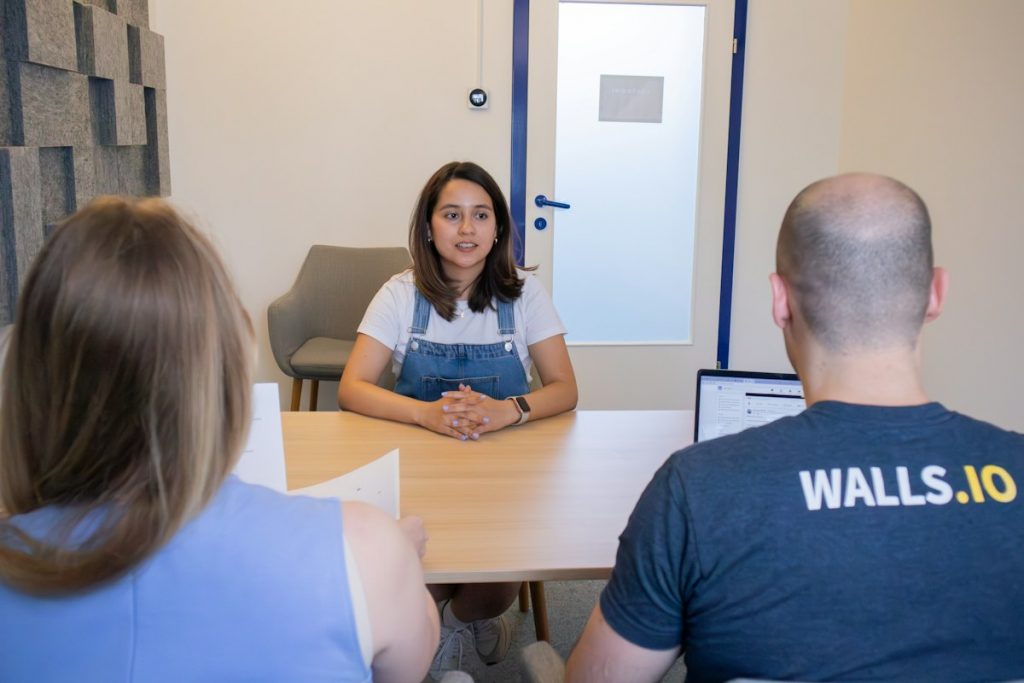
The High-Stakes Hot Seat: Why Endorsement Interviews Make or Break Founders
Walking into an assessment with an authorised endorsing body is easily the most nerve-racking step of your UK founder journey. You have spent months drafting business projections, tweaking wireframes, and polishing financial spreadsheets. Yet, when the panellists ask you to justify your gross margins or detail your defensible intellectual property, a glossy deck will not save you. Assessors want to test whether you are a genuine entrepreneur who understands the nuts and bolts of British commerce, or simply someone reading an outsourced proposal. Preparing thoroughly with an Innovator Visa Mock Interview via our AI-Powered UK Innovator Visa Application Assistant gives you the competitive edge needed to spot flaws in your logic before assessors pick them apart.
Endorsing bodies evaluate hundreds of candidates every quarter, and they know immediately when a founder lacks depth. They deploy structured, competency-based questions borrowed from rigorous executive assessments to probe your leadership, adaptability, and market awareness. If you stumble on how you intend to navigate UK regulations or fail to explain your customer acquisition channels, your endorsement letter will slip through your fingers. This guide breaks down the toughest questions asked by UK endorsing bodies, explores the exact evaluation rubrics they use, and outlines how you can prepare systematically to secure a decisive pass.
The Triad Rule: What Assessors Are Actually Measuring
Every question fired at you during an endorsement interview ties directly back to three statutory criteria set out by the UK Home Office: Innovation, Viability, and Scalability. While these words sound straightforward, panellists interpret them through strict, evidence-based metrics.
1. Innovation (Does It Really Solve a Genuine Market Gap?)
Panellists do not care about generic buzzwords. Saying your product uses artificial intelligence or smart automation means nothing if the underlying proposition is ordinary. Assessors will ask:
* What specific UK market failure does this solution resolve?
* Who are your direct and indirect competitors in Britain, and why can they not easily copy you?
* What registered patents, trade secrets, or proprietary workflows protect your venture?
If you run a digital platform, for example, assessors will examine your architecture. Having your tech stack fully mapped out is essential, and you can streamline this phase when you Build your Business Plan NOW to ensure every technical component matches the Home Office criteria for original intellectual property.
2. Viability (Do the Numbers Hold Up to Scrutiny?)
An idea can be brilliant, but if your unit economics collapse under basic arithmetic, you will be rejected. Assessors will drill down into your financial model:
* What is your realistic customer acquisition cost (CAC) versus your projected lifetime value (LTV)?
* How many months of operational runway does your available share capital guarantee?
* What are your regulatory compliance costs, including UK GDPR, data registration fees, and employer liability cover?
3. Scalability (Can You Create Skilled UK Employment?)
The UK government backs founders who build job engines, not solitary freelancers. You must clearly illustrate how your commercial footprint expands:
* How will your headcount grow over the first 12, 24, and 36 months?
* What specific high-skill roles will you create for resident workers?
* What international expansion milestones will you hit by year three?
Deconstructing the 5 Toughest Endorsement Questions
“Why Can Existing UK Market Leaders Not Simply Replicate Your Solution?”
This question directly challenges your competitive moat. Most founders fall into the trap of badmouthing competitors. That is an amateur mistake. Assessors want to see your commercial maturity.
How to answer: Acknowledge the market dominance of existing players openly. Highlight their legacy architecture, their high switching overheads, or their neglect of a niche demographic. Then, position your venture as an agile, specialised alternative designed specifically around that unserved operational bottleneck.
“Walk Me Through Your Cash Flow Breakeven If Your Sales Cycle Takes Twice as Long.”
Things go wrong in startups; assessors want to see how you react under severe financial stress. They are testing whether you understand your burn rate and whether you can adjust operational dials without collapsing.
How to answer: Show your financial contingency plans. Explain which variable overheads you can trim immediately (such as marketing spend or contractor fees) and clarify how your preserved share capital sustains essential operations during protracted procurement periods.
“What Legal and Regulatory Hurdles Will You Face in Britain During Year One?”
Endorsing bodies want founders who hit the ground running without running into legal roadblocks. Stumbling here shows poor local research.
How to answer: Discuss your regulatory obligations clearly. Mention your registered company structure, compliance with British privacy laws, prospective registration with relevant sector ombudsmen, and required commercial insurances. To ensure your documentation aligns with statutory expectations, using an innovative Innovator Visa Mock Interview simulation helps identify overlooked compliance gaps in your narrative.
“How Exactly Did You Formulate Your Founder Salary and Operational Expenses?”
Panellists will instantly spot inflated or unrealistic figures. If you pay yourself £80,000 in year one on £50,000 of investment, you will be turned down for poor commercial judgment.
How to answer: Ground your compensation in realistic early-stage founder benchmarks. Explain that your draw reflects minimum sustainable living expenses to ensure maximum capital remains allocated toward product validation and strategic hiring.
“Describe a Past Strategic Failure and What It Taught You About Risk.”
Assessors use behavioral questions to test emotional resilience. If you claim you have never failed, you sound dishonest. If you blame external factors, you look unaccountable.
How to answer: Pick a genuine professional setback from your career. Outline the problem neutrally, take personal ownership of the outcome, and explain the concrete operational safeguards you created as a direct result.
The Anatomy of an Objective Interview Rubric
To beat the assessment, you have to think like an assessor. Most UK endorsing bodies evaluate candidates using standardized rubrics similar to those adopted by university search boards and corporate governance committees.
| Evaluation Dimension | Poor (1-2 Points) | Acceptable (3 Points) | Outstanding (4-5 Points) |
|---|---|---|---|
| Market Understanding | Vague claims, no named local competitors, unrealistic TAM. | Identifies competitors but lacks deep differentiation metrics. | Granular breakdown of UK market share, pricing pressure, and barriers to entry. |
| Financial Literacy | Confuses revenue with gross margin; cannot defend cash burn. | Understands balance sheet; relies heavily on optimistic projections. | Defends unit economics, working capital needs, and VAT impact under stress. |
| Founder Capability | Lacks technical or commercial depth; relies on third parties. | Demonstrates relevant experience; minor gaps in direct operational leadership. | Deep domain authority, track record of execution, clear strategic vision. |
| Execution Roadmap | Unclear timeline; missing hiring milestones. | Sequential plan present, but lacks clear resource allocation. | Highly detailed sprint plan, hiring schedule, and measurable quarterly KPIs. |
Assessors mark your answers in real time against these exact criteria. If your scores fall below the threshold in even one dimension, the committee will decline endorsement. Preparing your operational foundation with the specialized TorlyAI BP Builder APP ensures that your written submission and verbal answers mirror each other perfectly across every rubric category.
Common Founder Pitfalls That Trigger Instant Rejections
Over-rehearsing the wrong things is just as dangerous as not preparing at all. When candidates stumble, it is usually because of these recurring behavioral traps:
- Reciting Memorised Scripts: Assessors deliberately interrupt pitches to ask spontaneous technical questions. If an interruption throws your train of thought completely off track, panellists will suspect you do not understand your own business model.
- Defensive Body Language: When an assessor pokes holes in your financial projections, they are testing your coachability. Getting defensive or dismissive is the quickest route to a negative assessment. Accept the observation, explain your underlying logic calmly, and explain how you will stress-test that metric.
- Underestimating British Business Culture: UK commerce values understated credibility, clear compliance, and structured planning over Silicon Valley-style bravado. Making exaggerated promises about becoming a unicorn in 18 months raises immediate warning flags for British assessors.
- Neglecting the Non-Technical Aspects: Brilliant software developers often fail because they cannot articulate their sales funnel. Commercial founders often fail because they cannot explain their intellectual property. You must present a balanced, holistic understanding of your entire commercial engine.
Step-by-Step Preparation Framework
Mastering the endorsement interview requires methodical rehearsal. You cannot leave your answers to chance on interview morning.
- Week 1: Stress-Test Your Core Narrative: Break down your business plan into core propositions. Write down concise answers to fundamental commercial questions without looking at your documentation.
- Week 2: Conduct Blind Mock Audits: Have an experienced advisor or an intelligent simulation engine interrogate your business plan. Focus on tough operational queries where your data appears thin.
- Week 3: Refine Your Non-Verbal Delivery: Practice speaking at an even, authoritative tempo. Eliminate fillers, avoid convoluted sentences, and structure complex explanations into tidy three-point summaries.
- Week 4: Final Validation and Gap Analysis: Review recent endorsement decisions and regulatory shifts. Address every lingering operational vulnerability in your pitch until your defense feels natural and effortless.
When preparing your submission, you can also Download BP Build Desktop APP to audit your financial projections and strategic roadmaps before stepping into the examination room.
Turn Pressure Into Endorsement Success
The UK Innovator Founder Visa route represents an incredible launchpad for ambitious entrepreneurs, but the endorsing body interview stands as its most demanding hurdle. Assessors do not expect perfection, but they demand absolute authenticity, sharp business acumen, and relentless attention to regulatory detail. By approaching your preparation with structured discipline, internalising your core numbers, and rehearsing your responses against professional evaluation rubrics, you transform what feels like an interrogation into an authoritative demonstration of your entrepreneurial strength.
Take control of your immigration journey today. Sharpen your arguments, eliminate commercial vulnerabilities, and secure your endorsement by stepping into a simulated Innovator Visa Mock Interview designed to give your venture the definitive green light.
