
Understanding AI-Driven Visa Cancellation and Its Impact on Immigration Compliance

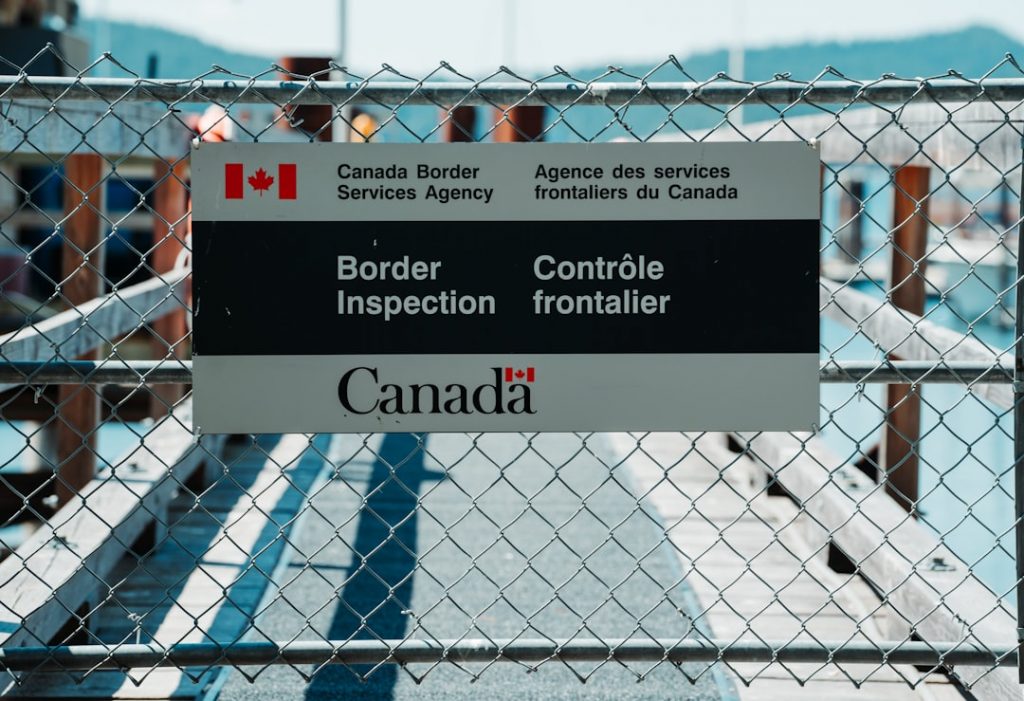
A New Era in Digital Border Control: AI-Powered Visa Cancellation
Welcome to a world where the boundary between technology and migration policy vanishes. In this new era of digital border control, AI-driven systems analyse visa statuses, flag compliance issues and even trigger cancellations—often in real time. No more endless paper files. No more manual data matching across dusty filing cabinets. This shift promises efficiency, accuracy and the power to handle surging visa applications with minimal human overhead. Yet it comes with a price: transparency, fairness and oversight can slip through the cracks.
Deploying AI underpins seamless compliance checks, but it also raises red flags around bias, due process and data privacy. How do you ensure your system doesn’t become a black box that spits out rejections with no explanation? How do you blend the speed of machines with the empathy of human review? Explore these questions and discover how you can stay ahead in digital border control, bringing automation and accountability under one roof with the help of an AI-Powered Digital Border Control Visa Application Assistant.
How AI is Transforming Visa Cancellation
Artificial intelligence isn’t just for chatbots and language translation. It now sits at the heart of digital border control. Automated systems can:
- Scan criminal records across multiple jurisdictions.
- Cross-reference visa databases with flight manifests.
- Assign risk scores based on behavioural patterns.
- Trigger alerts when applicants’ status changes unexpectedly.
The result? Faster detections and fewer slipped-through-the-net cases. But if not implemented responsibly, these systems can:
- Misidentify lawful residents.
- Reinforce existing data biases.
- Hide decision logic in complex algorithms.
That’s why human-in-the-loop frameworks are vital. You want AI to highlight questionable cases, not unilaterally cancel visas with zero oversight. Otherwise, you risk undermining trust in your digital border control ecosystem.
The Pitfalls of Pure Automation: Lessons from Australia’s Robodeport Experiment
In Australia, mandatory visa cancellation provisions for certain convictions gave rise not to a slick “Robodeport” machine but a flawed fantasy. Despite legal mandates, the system relied on hand-compiled prison lists, patchy data exchange and lengthy detention without proper safeguards. The result? Unlawful detentions and natural justice sidelined until late in the process. It looked automatic, but it required hours of human labour to cross-check data.
Key takeaways for any digital border control project:
- Automation without data integrity checks backfires.
- No-notice cancellations destroy goodwill.
- Revocation pathways matter—crowding them out breeds legal challenges.
Contrast that with AI-powered assistants that log every action, timestamp decisions and flag anomalies for human review. You can avoid those old‐school pitfalls by designing smarter, transparent workflows.
Key Compliance Challenges in AI-Driven Visa Cancellation
AI brings scale, but also complexity. Here are three common hurdles:
- Data Quality: Garbage in, garbage out. Inconsistent formats and missing fields lead to erroneous cancellations.
- Fairness & Bias: Historical policing data may reflect systemic biases. If your AI learns from that, you risk repeating injustices.
- Privacy & Security: Personal information flows across agencies. How do you encrypt transit, manage access and comply with GDPR?
To tackle these, implement:
- Unified data schemas across immigration and justice departments.
- Regular bias audits and performance tests.
- Strict encryption standards and role-based access controls.
In a mature digital border control framework, these measures are non-negotiable to maintain public trust and legal compliance.
Best Practices for Managing Status Changes with AI
Successful digital border control strategies share a few traits:
-
Human-in-the-Loop Reviews
Automate initial checks, but loop in officers for final decisions on high-risk or edge cases. -
Transparent Algorithms
Document decision criteria. Offer applicants an insight into why their visa status changed. -
Continuous Learning
Use feedback loops. Monitor revocations, appeals and compliance outcomes to retrain your models. -
Clear Revocation Procedures
Embed pathways for affected individuals to challenge automated cancellations promptly.
Enhance your oversight by weaving these into your AI roadmap. And if you need a turnkey solution that balances automation with human oversight, consider partnering with an Enhance Your Digital Border Control with AI-Powered Visa Cancellation Support toolset.
Introducing Torly.ai: A Balanced AI Assistant for Visa Compliance
Meet Torly.ai – your AI partner for digital border control and visa readiness. Built for small to medium enterprises, Torly.ai delivers:
- 24/7 intelligent support for status monitoring.
- Predictive analytics on visa cancellation risks.
- Automated document checks against Home Office criteria.
- Tailored action plans to address potential compliance gaps.
And while Torly.ai streamlines your immigration workflows, you can keep your content engine humming with Maggie’s AutoBlog—an AI-powered platform that crafts SEO and GEO-targeted articles to boost your firm’s visibility.
Building a Governance Framework for AI in Immigration
Technology alone won’t solve compliance. You need a governance scaffold:
- Policy Alignment
Map AI use cases to legal requirements (e.g., s501 revocation timelines). - Stakeholder Engagement
Regularly consult legal teams, community advocates and technical experts. - Audit & Accountability
Appoint an internal audit team or engage an external watchdog to review your AI models. - Transparency Reports
Publish metrics on cancellations, appeals and success rates.
This framework ensures your digital border control ecosystem remains fair, robust and defensible.
Charting the Future: Responsible AI in Digital Border Control
The horizon holds generative AI agents that can draft legal submissions, chat with applicants and even predict policy shifts. To prepare:
- Invest in interoperable platforms.
- Partner with immigration lawyers for hybrid support.
- Design interfaces that let users trace every automated step.
Doing so transforms digital border control from a black-box threat into a collaborative, transparent experience.
Conclusion
AI-driven visa cancellation holds immense promise—and equal peril. By learning from past missteps, embracing human-centred design and adopting rigorous oversight, you can harness the scale of automation without sacrificing fairness. Ready to see how AI can elevate your digital border control operations? Start Your Digital Border Control AI Visa Assistant Trial