Beyond Tier 1 Entrepreneur Visa: AI-Recommended Innovator Founder Alternatives

Introduction

The Tier 1 Entrepreneur visa is a thing of the past. Closed in 2019. A memory. Now entrepreneurs face the Innovator Founder visa. Tough. Rigorous. Endorsement hoops. You need an innovative, viable, scalable idea. And the right documents. Mistakes can cost you months.

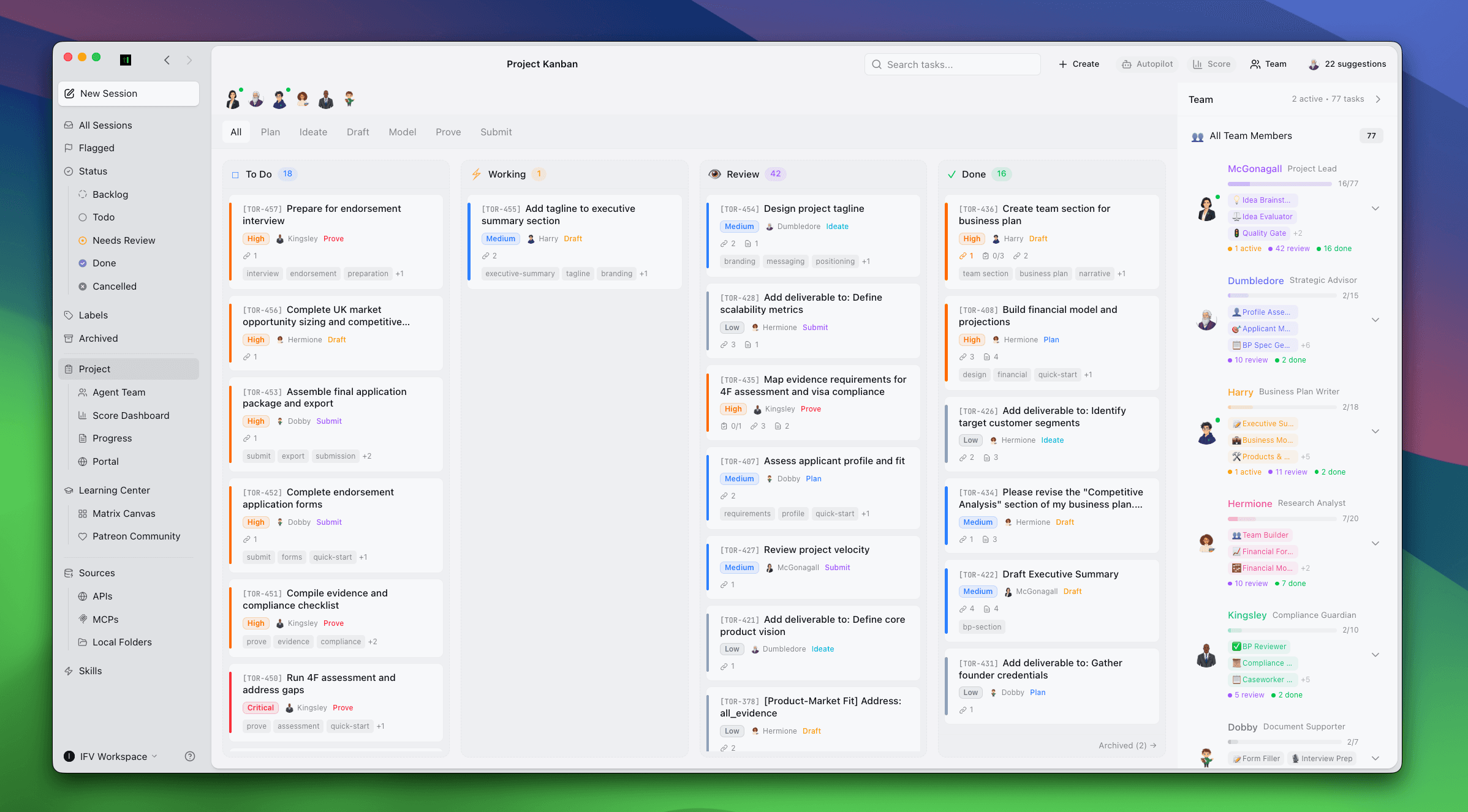
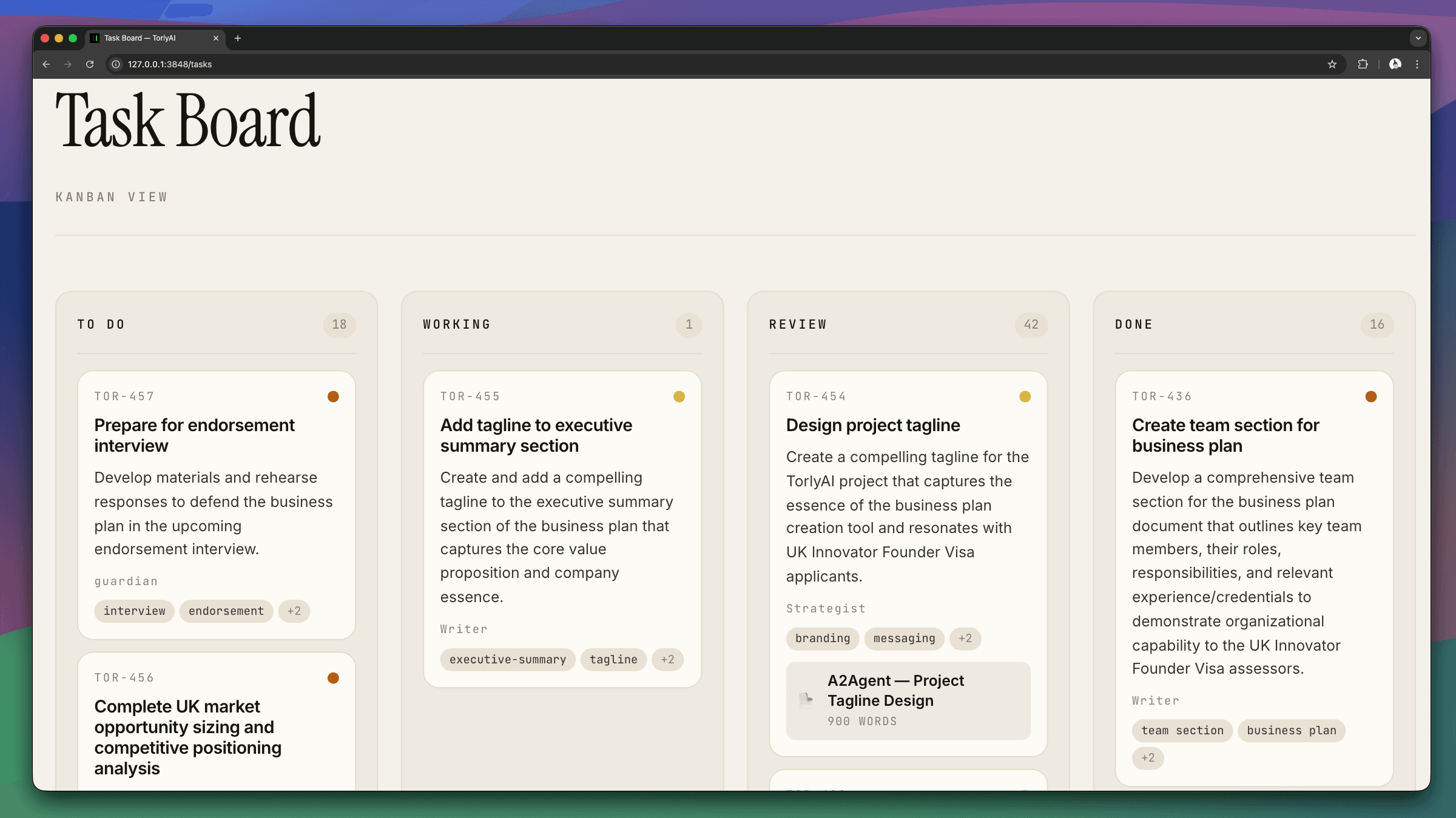
Welcome to the age of Tier 1 vs Innovator visa debates. Which route suits you? How do you beat the bureaucracy? What if AI could break down the process into bite-size steps? Enter Torly.ai’s AI-Powered UK Innovator Visa Application Assistant. Instant checks. Real-time feedback. A roadmap tailored to your background.

In this guide, we’ll:

  • Compare Tier 1 vs Innovator visa, head to head
  • Uncover the quirks of Innovator Founder endorsement
  • Reveal AI-driven shortcuts to success
  • Suggest alternative visa routes if Innovator isn’t your match

Let’s dive in.

Tier 1 vs Innovator visa: What’s the difference?

A quick recap of the Tier 1 Entrepreneur visa

  • Launched in 2008. Closed in 2019.
  • Targeted high-impact startups.
  • Required £50,000+ investment funds.
  • Endorsement by UK bodies.
  • Led to settlement in five years.

The Innovator Founder visa in a nutshell

  • Replaced Tier 1 in 2023.
  • No fixed investment threshold – but you need real funds.
  • Stronger focus on innovation and scalability.
  • Must secure an endorsement from a Home Office–approved body.
  • Valid for three years, extendable by three more.

Head-to-head: Tier 1 vs Innovator visa

  • Investment: Tier 1 had a fixed minimum. Innovator is more flexible, but endorsement panels want proof of traction.
  • Innovation test: Innovator demands a robust USP. Tier 1 was friendlier on innovation.
  • Endorsement bodies: Both need them. Innovator panels are stricter.
  • Flexibility: Innovator can shift schemes—but fewer fallback options than the old Tier 1.

Choosing between Tier 1 vs Innovator visa can make or break your UK ambitions.

Common pitfalls with Innovator Founder applications

You’d think the Innovator Founder visa is straightforward. Not quite. People stumble on:

• Endorsement criteria.
• Document overload.
• Gaps in business model.
• Lack of founder evidence.
• Slow feedback loops.

One applicant spent three months chasing missing paperwork. Another got rejected for a half-baked market analysis. Sound familiar?

You deserve better.

AI to the rescue: Torly.ai’s Innovator Founder Aid

Imagine an assistant that:

  1. Checks your eligibility in seconds.
  2. Assesses your business idea against UK Home Office benchmarks.
  3. Analyses your background – experience, skills, capability.
  4. Pins gaps and crafts a clear action plan.

That’s Torly.ai’s AI-Powered UK Innovator Visa Application Assistant.

How it works

  • Business Idea Qualification
    Torly.ai’s engine evaluates your concept for innovation, viability and scale. Think of it as a mock endorsement panel.
  • Applicant Background Assessment
    Your CV. Your track record. Your entrepreneurial grit. The AI scores it all.
  • Gap Identification & Action Roadmap
    Missing market research? Weak team structure? No problem. You get a bullet-proof list of fixes.

Why it beats manual prep

  • 24/7 support. No more waiting for office hours.
  • Instant, tailored feedback. Cuts weeks off your to-do list.
  • Document templates aligned to endorsing body checklists.
  • 95% success rate based on historic data.

Plus, if you want SEO-friendly blog support for your venture’s website, try Maggie’s AutoBlog. It generates high-quality, geo-targeted posts to boost your online presence.

At this point, you’re set to tackle that Innovator Founder endorsement. But what if you hit a dead end?

Explore our features

Alternative UK visa routes worth considering

Not every great idea fits Innovator Founder. Here are three other visas you might explore:

1. Start-up visa

  • Who for? First-time entrepreneurs.
  • Investment: £0 minimum funds.
  • Pro: No initial capital requirement.
  • Con: Only for two years. No direct extension to settlement.

2. Global Talent visa

  • Who for? Recognised leaders in tech, science, arts.
  • Pro: No endorsement body fee. Fast track to settlement.
  • Con: Must secure an endorsement from a designated “competent body”.

3. Innovator visa (legacy)

  • Who for? Experienced innovators with £50k+ funds.
  • Pro: Settlements in three years.
  • Con: Higher investment threshold than Innovator Founder.

Your ideal route depends on your profile. AI can sort this in seconds.

Real-world success: AI-matched founders

Consider Anna. She had a health-tech prototype but no startup track record. Innovator Founder seemed out of reach. Torly.ai pinpointed the Start-up visa as a better fit. Two months later, she had her endorsement and a thriving proof of concept.

Then there’s Lucas. Serial entrepreneur with £60,000 seed funds. He aimed for highest settlement speed. The AI advised the legacy Innovator visa. He obtained approval in under 12 weeks.

These wins aren’t flukes. They’re the result of data-driven eligibility checks and smart recommendations.

Next steps: Your action plan

  1. List your business idea.
  2. Upload your CV and pitch deck to Torly.ai.
  3. Review the AI’s gap analysis.
  4. Follow the tailored roadmap.
  5. Secure your endorsement body sign-off.
  6. Submit your Innovator Founder visa application.

And hey, while you’re at it, boost your online visibility with Maggie’s AutoBlog. It’ll handle your SEO-rich blogs so you can focus on building your business.

Conclusion

Comparing Tier 1 vs Innovator visa is more than a buzz. It shapes your UK journey. Whether you go for Innovator Founder, Start-up, or Global Talent, you need clarity. You need speed. You need AI.

Torly.ai’s AI-Powered UK Innovator Visa Application Assistant puts you ahead. Instant eligibility analysis. Actionable advice. Real-world success. Ready to finish that endorsement checklist?

Get a personalized demo