
General UK Visa Guides · November 15, 2026
UK Self-Sponsorship Visa vs Innovator Founder Route: AI-Powered UK Innovator Visa Application Assistant Assessment
Discover whether self-sponsorship or an endorsement pathway suits your venture best and evaluate your eligibility with the AI-Powered UK Innovator Visa Application Assistant.

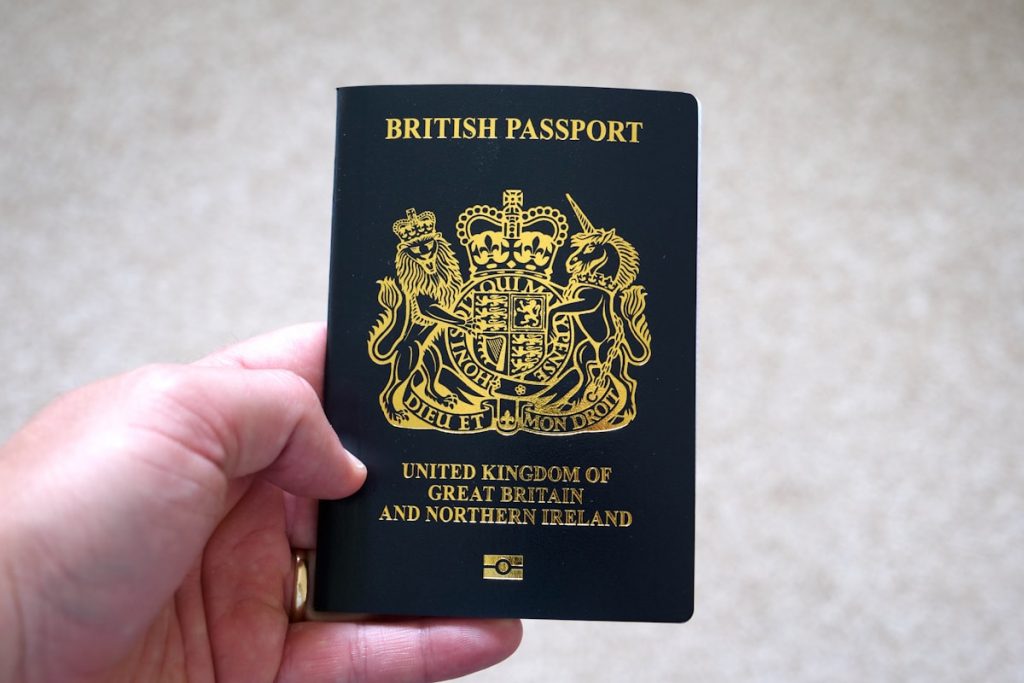
The Founder’s Crossroads: Picking Your UK Immigration Strategy
Moving to Britain to run a venture sounds brilliant until you confront the Home Office rulebook. Two primary options dominate the discussions of global entrepreneurs: the creative route known as the UK self-sponsorship visa, and the official UK Innovator Founder visa. Both offer genuine avenues to relocate, operate your business, and eventually claim Indefinite Leave to Remain (ILR), but they operate on wildly different principles. While self-sponsorship relies on using a Skilled Worker sponsor licence inside your own company, the Innovator Founder visa demands an endorsement from an approved organisation confirming your business is innovative, viable, and scalable.
Deciding between these options requires genuine self-reflection regarding your startup’s nature, capital reserves, and tolerance for administrative bureaucracy. Rather than spending tens of thousands of pounds on a traditional UK Startup Visa Consultant to run manual diagnostics, forward-thinking founders are using automated intelligence to stress-test their ideas before spending a single penny on government fees. In this deep dive, we will unpack how both immigration pathways work, where they clash, what they cost, and how an agentic assessment framework can guide you to the right selection.
What Exactly Is the UK Self-Sponsorship Visa?
Let us clear up a common misconception straight away: there is no visa officially stamped “Self-Sponsorship Visa” in the UK Immigration Rules.
Instead, “self-sponsorship” is an immigration structure built under the Skilled Worker category. You register a British business (a private limited company), set up genuine trading operations or an active office, and apply to the Home Office for a Worker Sponsor Licence. Once your business secures that licence, it issues a Certificate of Sponsorship (CoS) to you as an individual. You then apply for a Skilled Worker visa to fill a genuine, qualifying vacancy inside your own business.
It is completely legal when executed properly, but it carries strict operational burdens.
The Realities and Hurdles of Self-Sponsorship
Immigration advisory consultancies like Glocal Opportunities frequently advocate self-sponsorship because it bypasses endorsing bodies. If you want to run an established business model like an import-export agency, an accounting practice, or a retail operation, self-sponsorship lets you move forward without needing groundbreaking technology.
Yet, traditional consultancies often gloss over the heavy back-end compliance load:
- Sponsor Licence Scrutiny: The Home Office audits your UK company. They inspect whether your business has genuine premises, UK bank accounts, Employers’ Liability Insurance, and proper HR management software.
- Key Personnel Trap: You cannot simply assign yourself all the administrative keys without scrutiny. An Authorising Officer must handle the sponsorship licence management system (SMS), and appointing an overseas director prior to granting a licence often requires an established UK-settled worker to act as the primary contact.
- The “Genuine Vacancy” Test: Caseworkers look closely at whether the job exists solely to get you a visa. If your job description fails standard occupational code salary thresholds, your licence or visa application will face immediate refusal.
- Five-Year ILR Pathway: Under the Skilled Worker route, you must wait a full five years to apply for Indefinite Leave to Remain, maintaining payroll compliance, paying yourself the going rate salary, and covering PAYE taxes and National Insurance every single month.
If your venture is fundamentally a conventional business model, self-sponsorship works. But if your proposition leans into technology, scalable intellectual property, or disruptive services, building an unnecessary compliance machine around self-sponsorship can tie up capital you need for growth.
The Innovator Founder Route: Built for Real Innovation
Introduced to replace the old Tier 1 (Entrepreneur) and legacy Start-up routes, the UK Innovator Founder visa is designed specifically for people launching a genuine startup.
The biggest contrast is simple: you do not sponsor yourself through an internal HR structure. Instead, an independent endorsing body (EB) evaluates your business proposition. If they endorse your concept, you get your visa.
The statutory bar rests on three pillars:
1. Innovation: You must present an original, market-tested proposition that offers something substantially new to the UK marketplace, not just a service replicating existing firms.
2. Viability: Your business plan must show a realistic path to revenue, grounded in clear market research, defensible margins, and genuine founder competency.
3. Scalability: You must prove potential for job creation and domestic or international expansion.
Unlike traditional migration routes that drag on for half a decade, the Innovator Founder route features a fast-track settlement option. If you hit specific growth milestones, such as reaching £200,000 in gross revenue, doubling your client base, or creating sustained full-time employment, you can apply for settlement (ILR) in just three years instead of five.
Before jumping in, it pays to study the mastering UK Innovator Founder visa criteria breakdown so you know exactly how endorsing bodies evaluate commercial viability.
Comparing Costs: Which Route Drains More Capital?
Founders often assume self-sponsorship is cheaper because you avoid paying endorsing body assessment fees. The actual operational numbers show a different story.
| Expense Category | Self-Sponsorship (Skilled Worker) | Innovator Founder Visa |
|---|---|---|
| Initial Business Incorporation | £50 to £2,000 (legal address, setup) | £50 to £2,000 (legal address, setup) |
| Endorsement Fees | £0 | £1,000 to £2,000 (depending on EB checkpoints) |
| Sponsor Licence Fee | £536 (small company) or £1,476 (medium/large) | £0 (no sponsor licence needed) |
| Certificate of Sponsorship (CoS) | £199 (one-off per applicant) | £0 |
| Immigration Skills Charge | Up to £364–£1,000 per year of visa duration | £0 |
| Visa Application Fee | £610 to £1,408 | £1,036 to £1,486 |
| Immigration Health Surcharge (IHS) | £1,035 per year (5 years = £5,175) | £1,035 per year (3 years = £3,105) |
| Required Founder Salary & PAYE | High: Must meet ongoing minimum wage rules | Flexible: Founders can draw sweat equity or founder dividends |
| Time to Permanent Settlement (ILR) | 5 Years | 3 Years (if milestones are met) |
Self-sponsorship comes with recurring statutory overhead. You must run a real payroll, remit employee taxes, pay employer National Insurance contributions, and pay the Immigration Skills Charge. If your venture needs 18 months of research and development before turning a profit, paying yourself an artificially designated corporate salary purely to maintain a sponsor licence can burn through early investment capital fast.
With the Innovator Founder visa, you bypass the sponsor licence framework altogether. You can work solely on developing your enterprise, taking capital out when it makes financial sense for the company.
To map out these financial dependencies without nasty surprises later, explore how to build defensible Innovator Founder financial projections before putting pen to paper.
How AI Changes the Decision: Torly.ai Assessment
For years, founders had only two choices: wade through hundreds of pages of Home Office guidance alone, or hand over £5,000 to £15,000 to an immigration firm. Traditional consultancies tend to funnel candidates into whatever process generates billing hours. A consultancy that makes money filing sponsor licences will steer you toward self-sponsorship, even if your tech concept would easily pass an endorsing body.
This is where next-generation legal tech shifts the balance.
Torly.ai acts as an advanced evaluation platform that analyses your venture against real-world visa criteria in minutes. Rather than relying on static advice, founders can use an AI-Powered UK Innovator Visa Application Assistant to conduct instant, multi-layered assessments across three fundamental dimensions:
- Business Idea Qualification: The system checks your proposed concept against actual Home Office standards and current endorsing body expectations, checking whether your idea truly demonstrates innovation, viability, and scalability.
- Applicant Background Assessment: It evaluates your operational history, technical capabilities, and domain knowledge to confirm whether an endorsing body panel will see you as a credible founder.
- Gap Identification and Action Roadmap: Instead of giving you a vague rejection, the platform highlights weaknesses in your unit economics, your distribution channels, or your intellectual property positioning, generating concrete fixes to strengthen your profile.
Once you know where you stand, you can deploy the desktop platform to Build your Business Plan NOW using dedicated AI workflows designed for immigration scrutiny.
Self-Sponsorship vs Innovator Founder: Side-by-Side Breakdown
1. Business Scalability and Innovation Requirements
If your dream is to run a local retail store, open a specialised restaurant, or launch a traditional consulting firm, do not pursue the Innovator Founder visa. Endorsing bodies will reject it immediately for lacking technical novelty or national scalability. For these types of ventures, the self-sponsorship route is the right immigration vehicle.
However, if you are developing a proprietary software tool, an engineering advancement, or a novel digital marketplace, self-sponsorship is an expensive way to solve a problem the Innovator Founder visa was explicitly designed to handle.
2. Time to Indefinite Leave to Remain (Settlement)
Time is equity. On a self-sponsorship route, you cannot speed up your path to permanent residence: you must wait 60 months. During those five years, your business must stay compliant, hold its licence, and pay you the qualifying salary without interruption.
The Innovator Founder visa can cut that timeline down to 36 months if you demonstrate substantial commercial traction. For founders looking to minimise immigration uncertainty, saving two full years of visa renewals and NHS surcharges is a massive advantage.
3. Home Office Compliance vs Endorsing Body Monitoring
With self-sponsorship, your company behaves as a licensed sponsor. That means reporting address changes, logging sickness absences, tracking holidays, and running compliant payroll systems. If the Home Office conducts an unannounced compliance visit and spots administrative errors, your licence can be suspended or revoked, invalidating your personal visa.
Under the Innovator Founder visa, you answer to your endorsing body. They hold formal contact point reviews at the 12-month and 24-month marks. Their job is not to inspect your employee timesheets, but to check whether your business is making genuine progress against the milestones outlined in your endorsed business plan. If you need to pivot your product based on customer feedback, you explain your strategic reasoning to business evaluators, not immigration enforcement caseworkers.
If you are worried about common rejection pitfalls, reading this guide on overcoming high innovator visa refusal rates can help you build an airtight case.
How to Prepare an Endorsement-Ready Application
If the Innovator Founder visa matches your business goals, your immediate objective is building a rock-solid business plan. The criteria applied by endorsing bodies are strict; generic business plans written by conventional visa consultants fail every single week because they lack technical depth and realistic market modelling.
You can streamline this preparation process by letting the TorlyAI BP Builder APP organize your supporting evidence across multiple evaluation streams.
Here is the step-by-step roadmap for preparing an application:
Step 1: Stress-Test Your Differentiation
Ask yourself: Why can a British company not do this tomorrow? Endorsing bodies reject business models that merely wrap existing APIs or act as basic white-label services. You must show proprietary workflow developments, deep domain insight, or defensible technical mechanics.
Step 2: Build Real 3-Year Financial Projections
Do not submit vague estimates. Endorsing bodies scrutinise your customer acquisition costs (CAC), lifetime value (LTV), operating expenditures, and headcount projections. If your numbers show you netting millions in year one with zero ad spend, your plan will be rejected for lacking commercial viability.
Step 3: Prove Founder-Market Fit
Why are you the right person to build this? Your CV, technical background, and historic experience must align directly with the enterprise you are launching. Where there are gaps, your business plan must show how advisors, technical contractors, or strategic partners will fill them.
Making the Final Call for Your UK Launch
Choosing between self-sponsorship and the Innovator Founder route comes down to your enterprise type and how you prefer to allocate your capital:
- Choose Self-Sponsorship if your business model is standard, lacks technological innovation, and you have the capital reserves to run payroll, administrative compliance, and sponsor licence systems for five years.
- Choose the Innovator Founder Route if your business is tech-enabled, scalable, and built to solve a problem with an original approach, allowing you to secure permanent settlement in as little as three years without sponsor licence burdens.
Navigating UK immigration policy requires clarity and preparation. Rather than committing your time and capital blindly, run your proposal through a trusted diagnostic platform. Work with a proven UK Startup Visa Consultant alternative to validate your concepts, refine your business plan, and embark on your UK business journey with confidence.
